


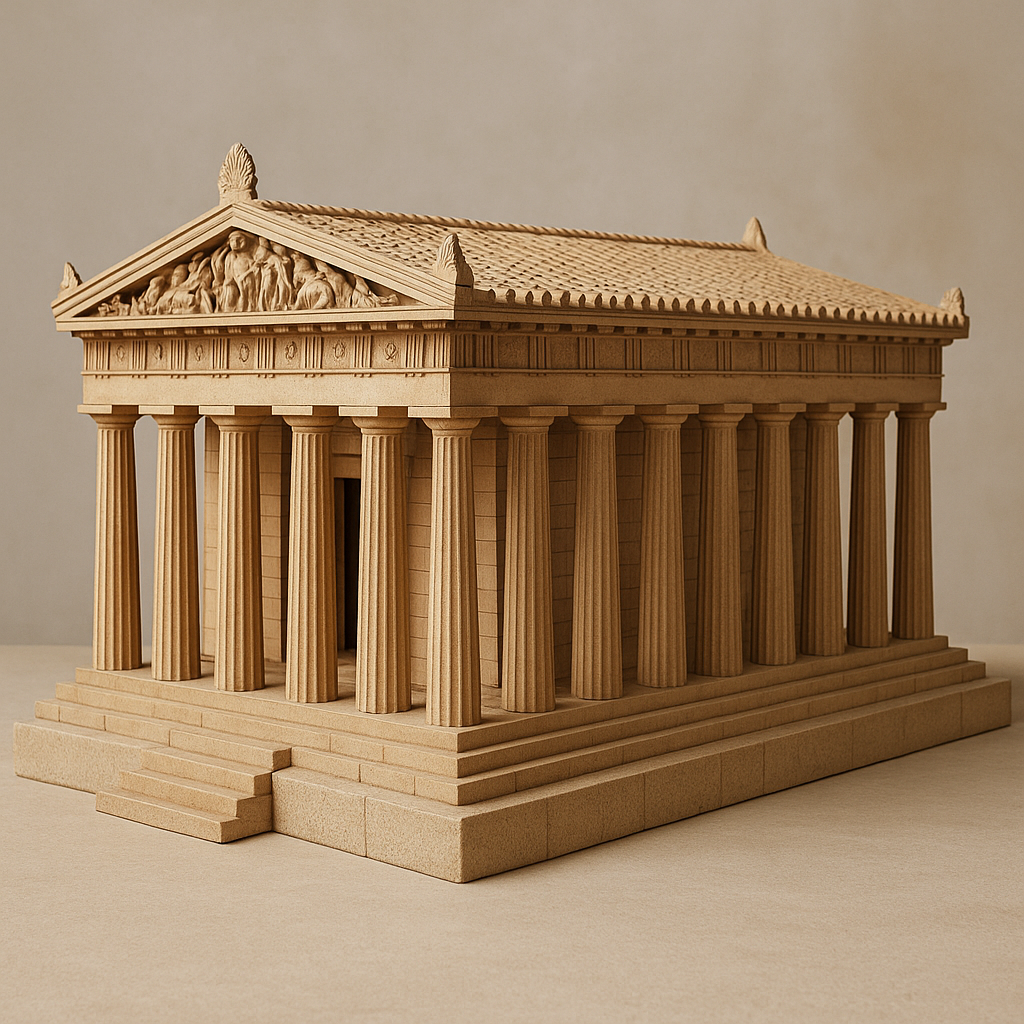
Ancient Greece laid the philosophical and structural foundations of Western architecture. From majestic temples to intricate city plans, scale models likely played a role in visualizing and refining their ideals of proportion, harmony, and form—even if only a few physical examples survive today.
Were There Physical Scale Models in Ancient Greece?
Unlike Egypt, few actual architectural models from Ancient Greece have survived. However, literary and archaeological evidence suggest they existed:
-
Vitruvius later referred to Greek methods of proportion and modeling.
-
Ancient Greek architects, such as Iktinos and Kallikrates (designers of the Parthenon), are believed to have used scale representations made of wax, clay, or wood.
Inscriptions found in sanctuaries such as Delphi and Epidaurus also suggest that scale models were presented to patrons or city councils before large-scale temple constructions.
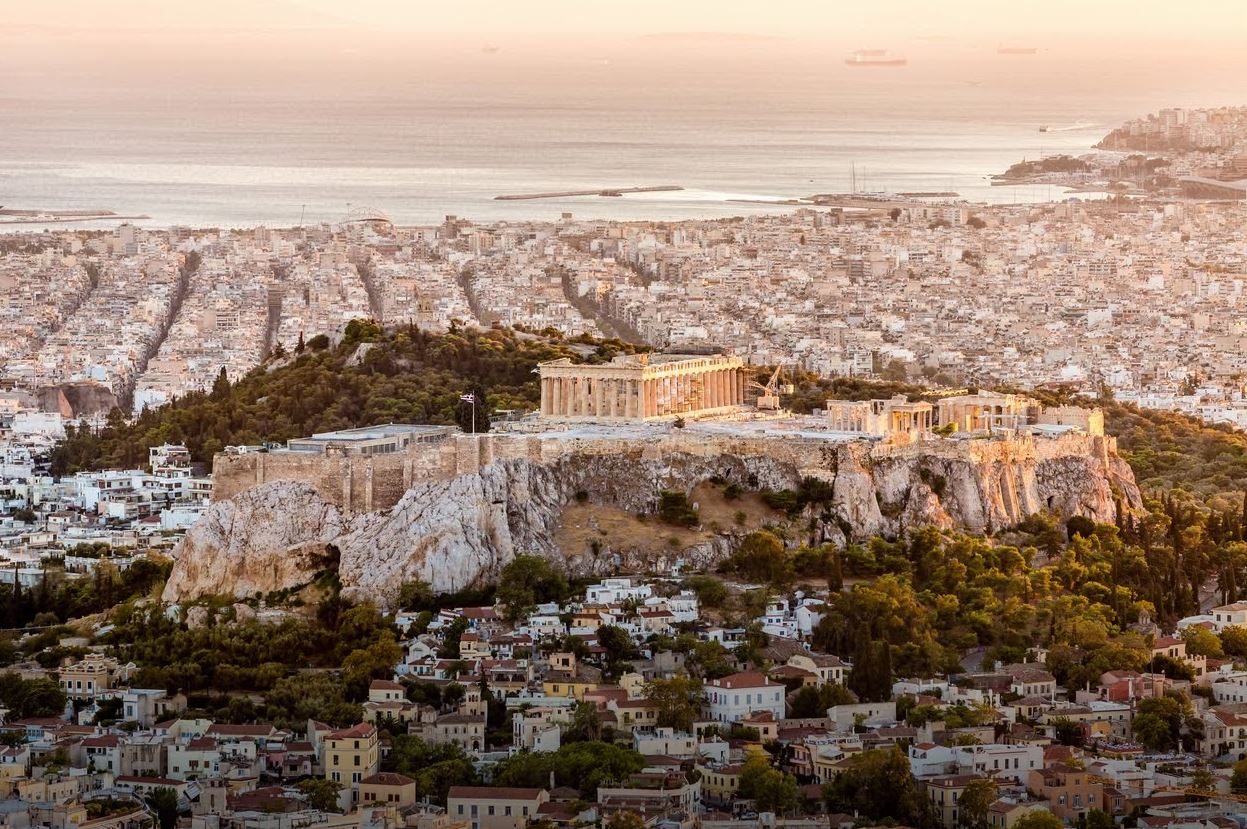
Key Example: The Parthenon (Athens)
While no original model remains, digital reconstructions and scaled replicas today help us understand how architects may have visualized the structure.
The Parthenon is the ultimate expression of Doric symmetry and optical correction—features that likely demanded some form of visual testing before execution.
Key Example: Sanctuary of Asklepios at Epidaurus
-
Several inscriptions suggest that detailed models were commissioned before building additions to the healing center.
-
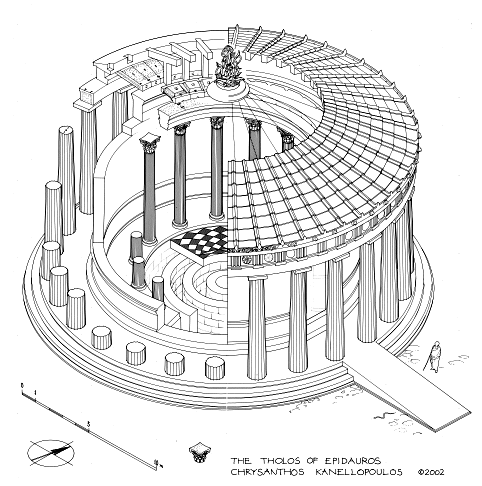
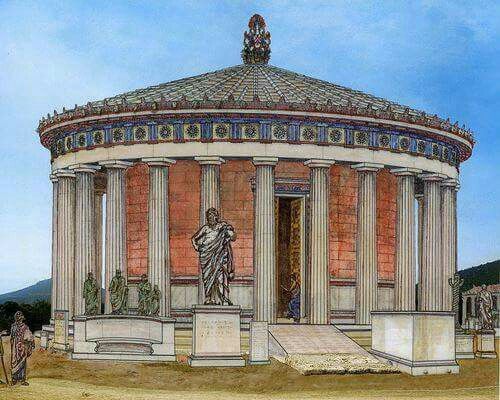
The Tholos at Epidaurus, a round temple with a labyrinthine interior, is a structure whose complexity would have almost required a physical model.
Modeling Materials & Techniques
-
Likely materials: wax, clay, ivory, and softwood
-
Scale ratios: not standardized, but likely ranged from 1:50 to 1:100
-
Function: presentation to clients (city or temple councils), religious offerings, design testing
Why Architectural Models Mattered in Ancient Greece
-
They helped bridge the gap between abstract mathematical ideas and physical reality.
-
Encouraged participatory urban planning, especially in city-states like Athens and Rhodes
-
Reinforced the sacred nature of architecture, where form was a reflection of divine order