


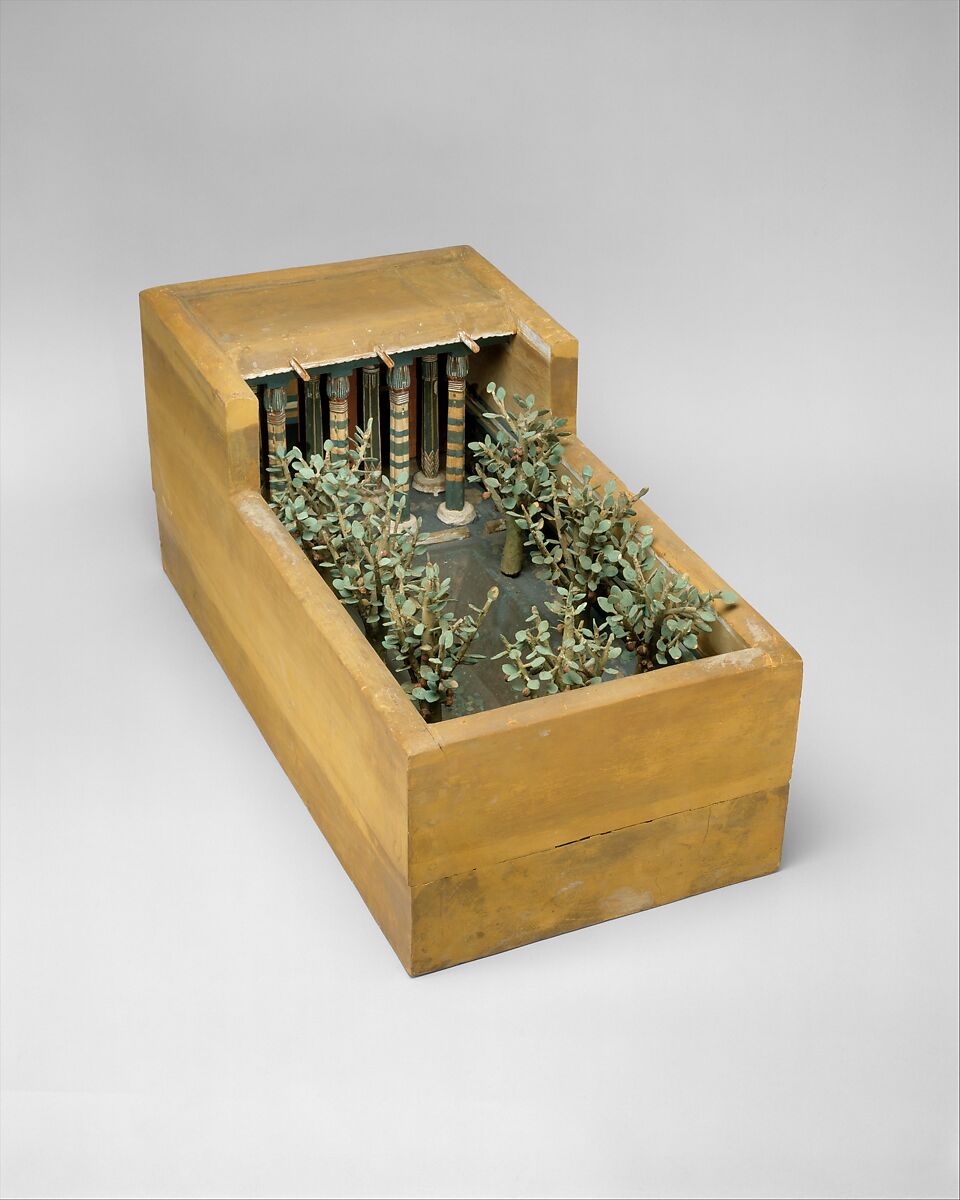
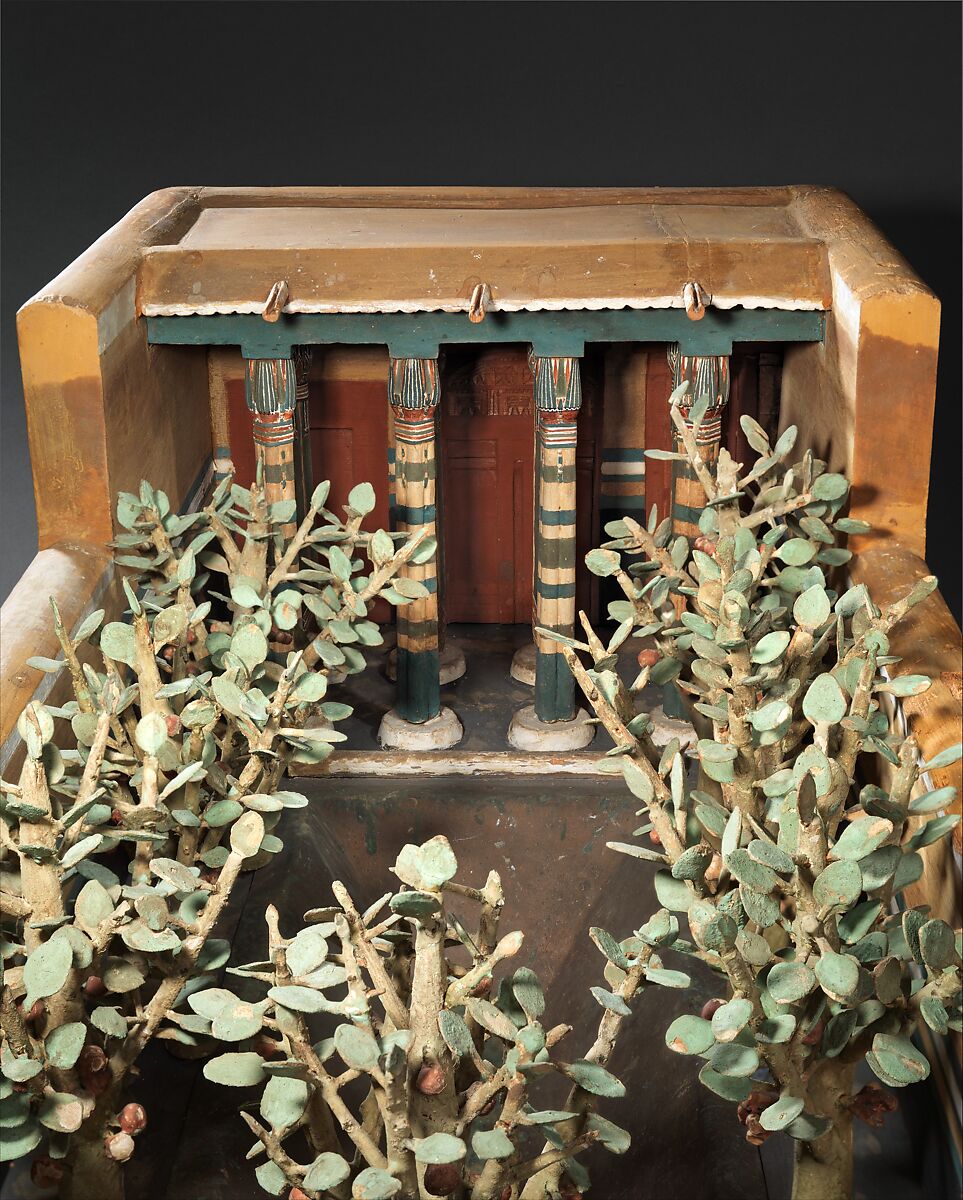
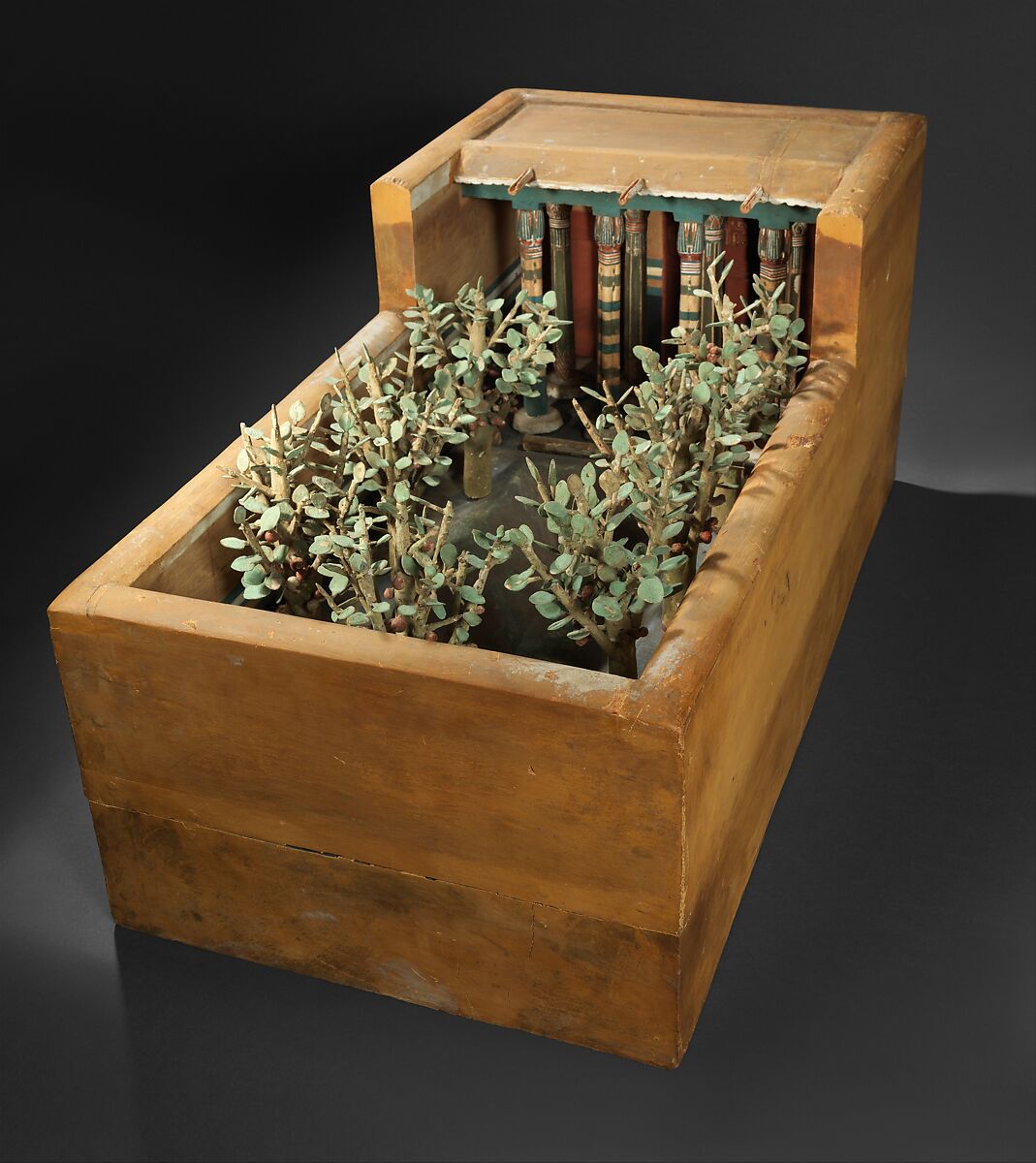
In ancient Egypt, the belief in immortality elevated the role of symbolic objects and tomb furnishings. One of the most exquisite examples of this practice is the “Model of a Porch and Garden”, dated to around 1981–1975 BCE, during the Middle Kingdom period. Discovered in the tomb of Meketre, a high-ranking official, this model offers a rare and intimate glimpse into daily life, captured in miniature.
Who Was Meketre?
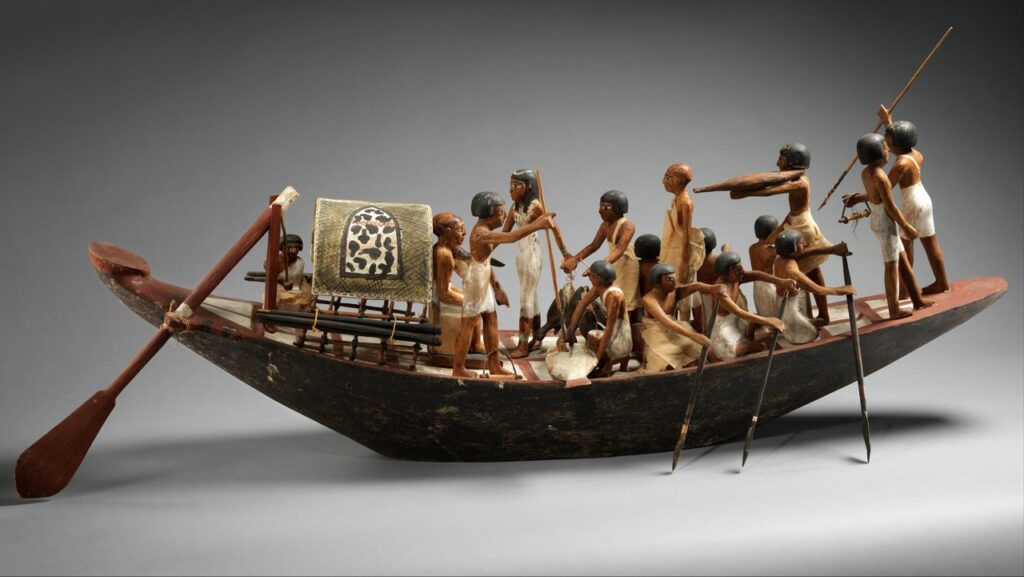
Meketre served as a chief steward and vizier under Pharaohs Mentuhotep II and III during Egypt’s 11th Dynasty. His tomb was excavated in 1920 by a team from The Metropolitan Museum of Art, led by archaeologist Herbert Winlock, in Thebes (modern-day Luxor). In a hidden chamber next to the burial shaft, archaeologists discovered 24 wooden models portraying various scenes from daily Egyptian life.
About the ``Model of a Porch and Garden``
Meketre served as a chief steward and vizier under Pharaohs Mentuhotep II and III during Egypt’s 11th Dynasty. His tomb was excavated in 1920 by a team from The Metropolitan Museum of Art, led by archaeologist Herbert Winlock, in Thebes (modern-day Luxor). In a hidden chamber next to the burial shaft, archaeologists discovered 24 wooden models portraying various scenes from daily Egyptian life.
Symbolism and Purpose
Meketre served as a chief steward and vizier under Pharaohs Mentuhotep II and III during Egypt’s 11th Dynasty. His tomb was excavated in 1920 by a team from The Metropolitan Museum of Art, led by archaeologist Herbert Winlock, in Thebes (modern-day Luxor). In a hidden chamber next to the burial shaft, archaeologists discovered 24 wooden models portraying various scenes from daily Egyptian life.
More Marvels from Meketre’s Tomb
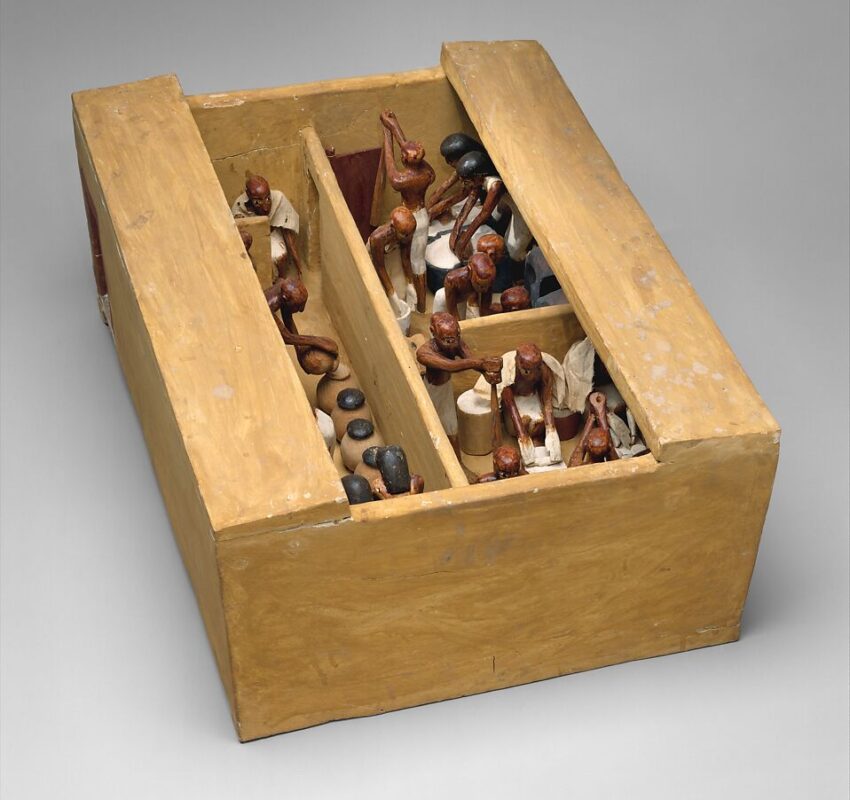
Bakery and Brewery Model
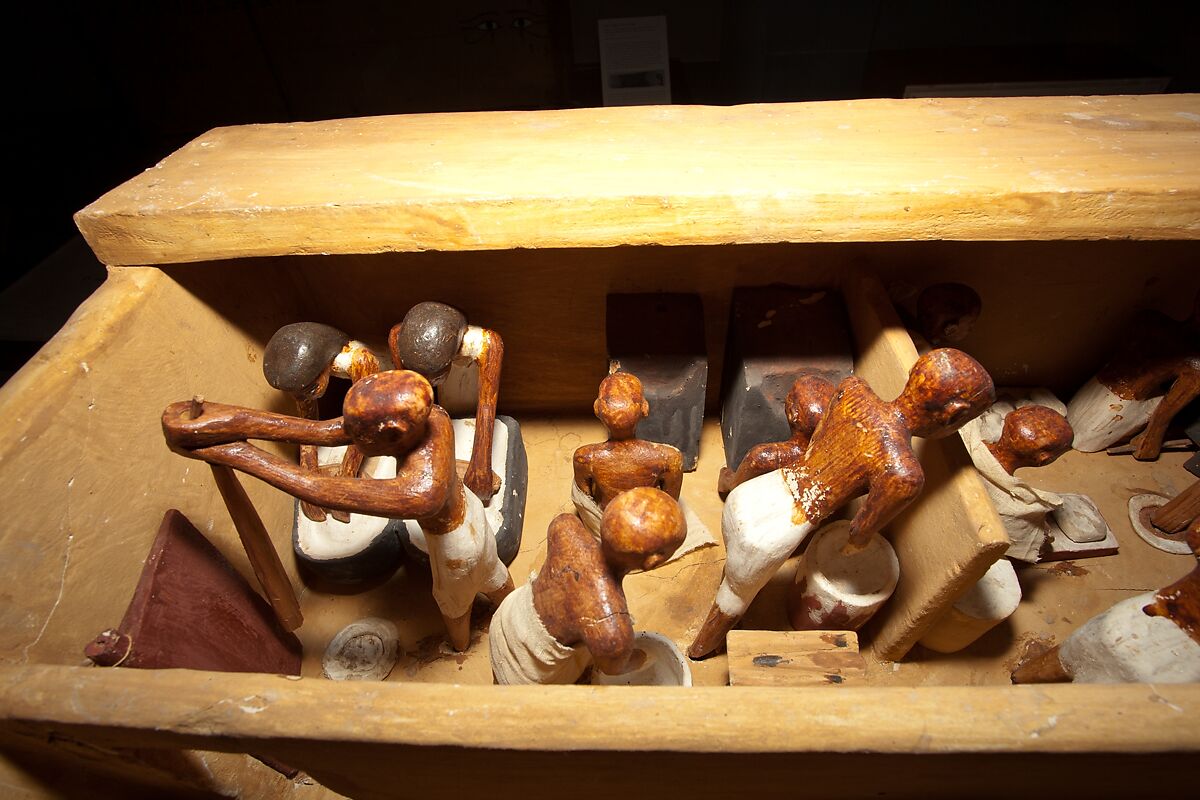
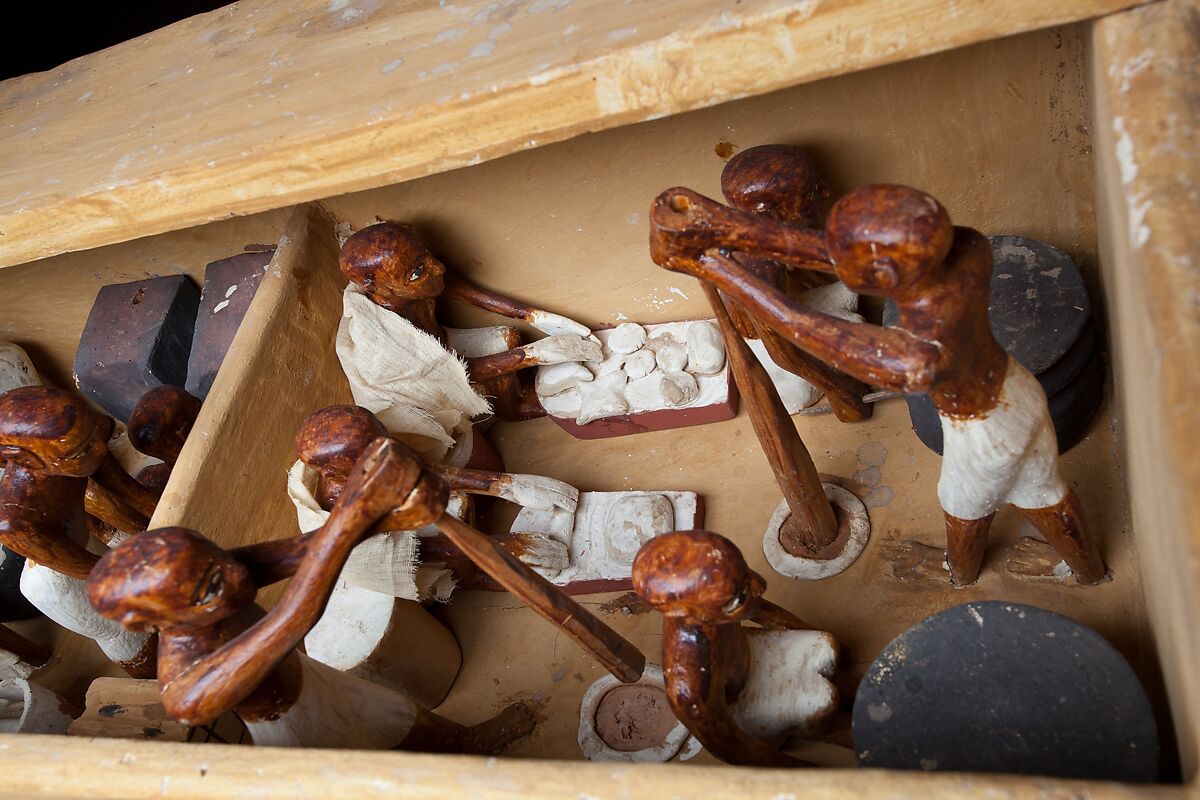
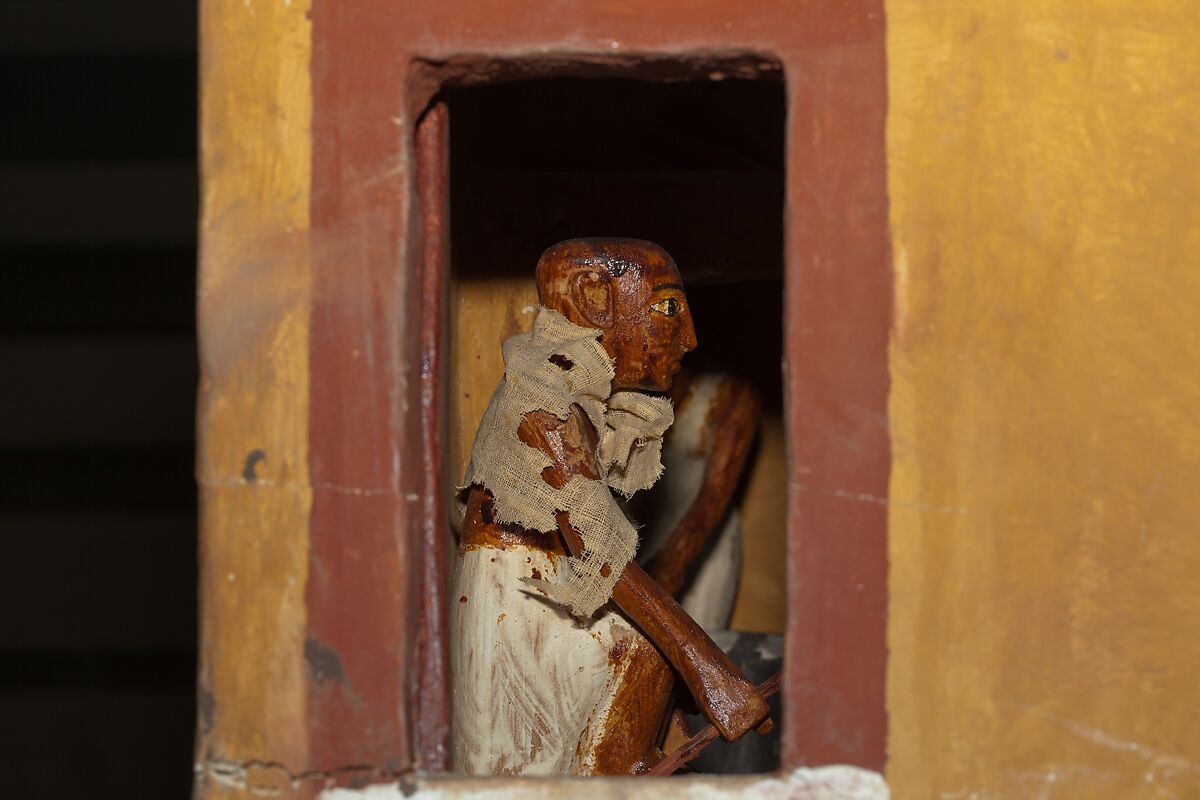
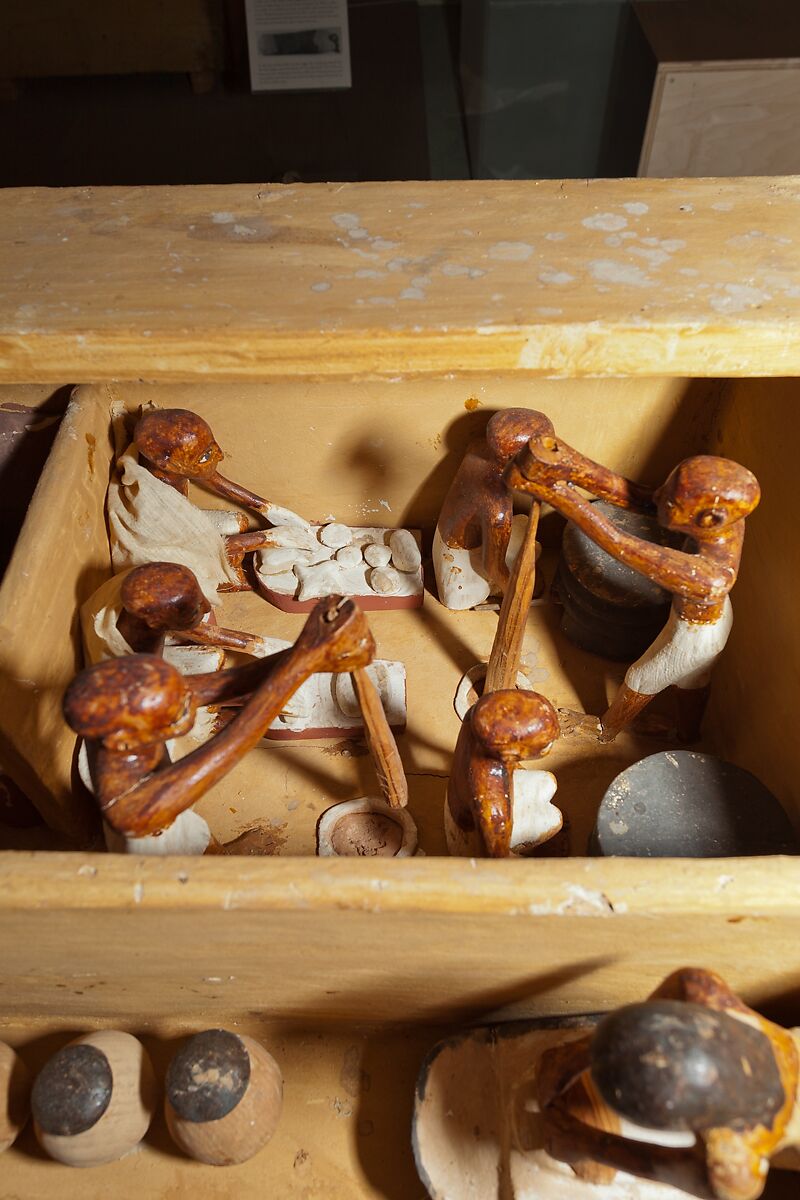
Shows step-by-step processes of grinding grain, kneading dough, baking bread, and brewing beer. This model vividly captures the two most essential elements of the ancient Egyptian diet: bread and beer. Laborers are shown grinding grain, kneading dough, shaping loaves, and pouring liquids into large pottery jars for fermentation. The scene provides not only a look at daily production processes but also insight into the organizational structure and division of labor in Middle Kingdom households.
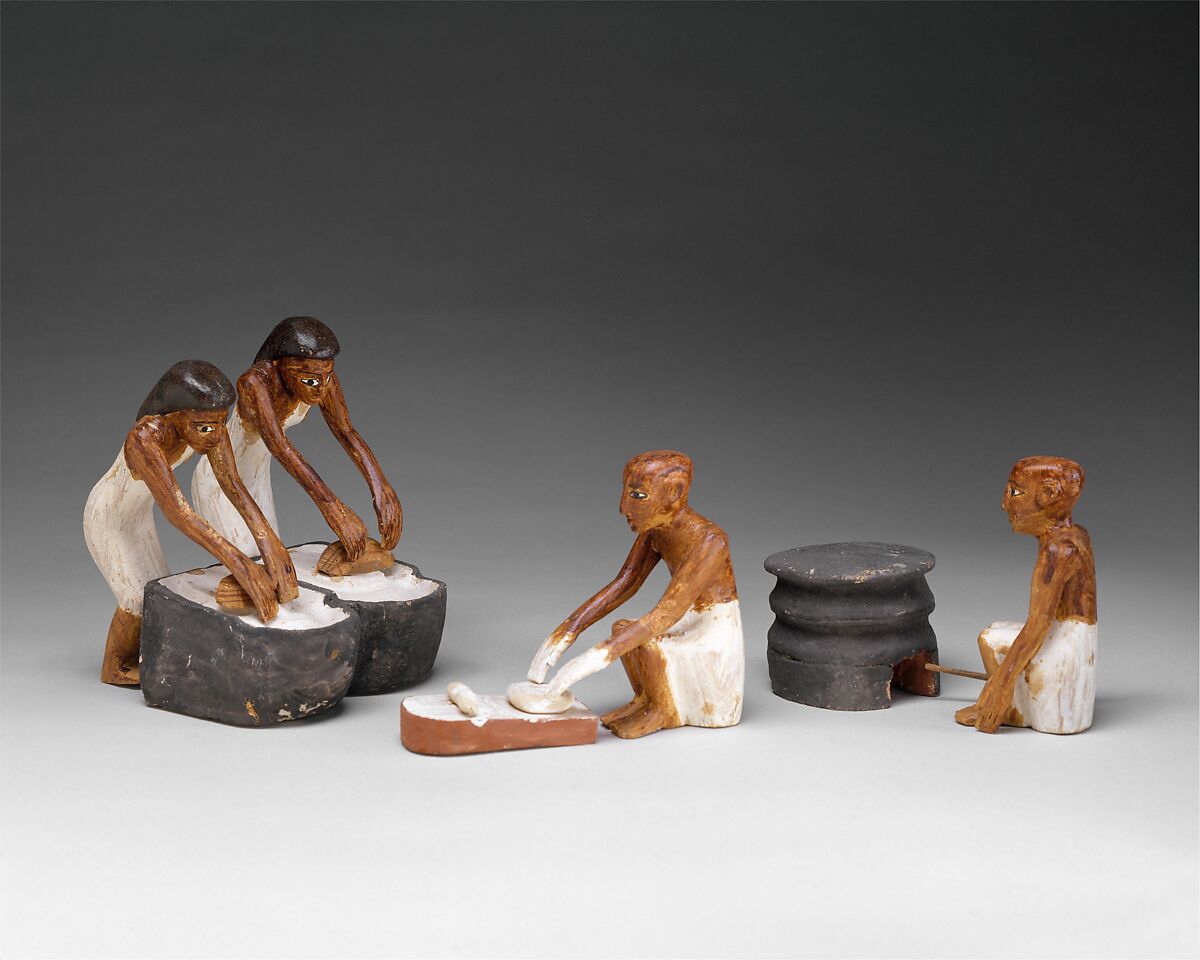
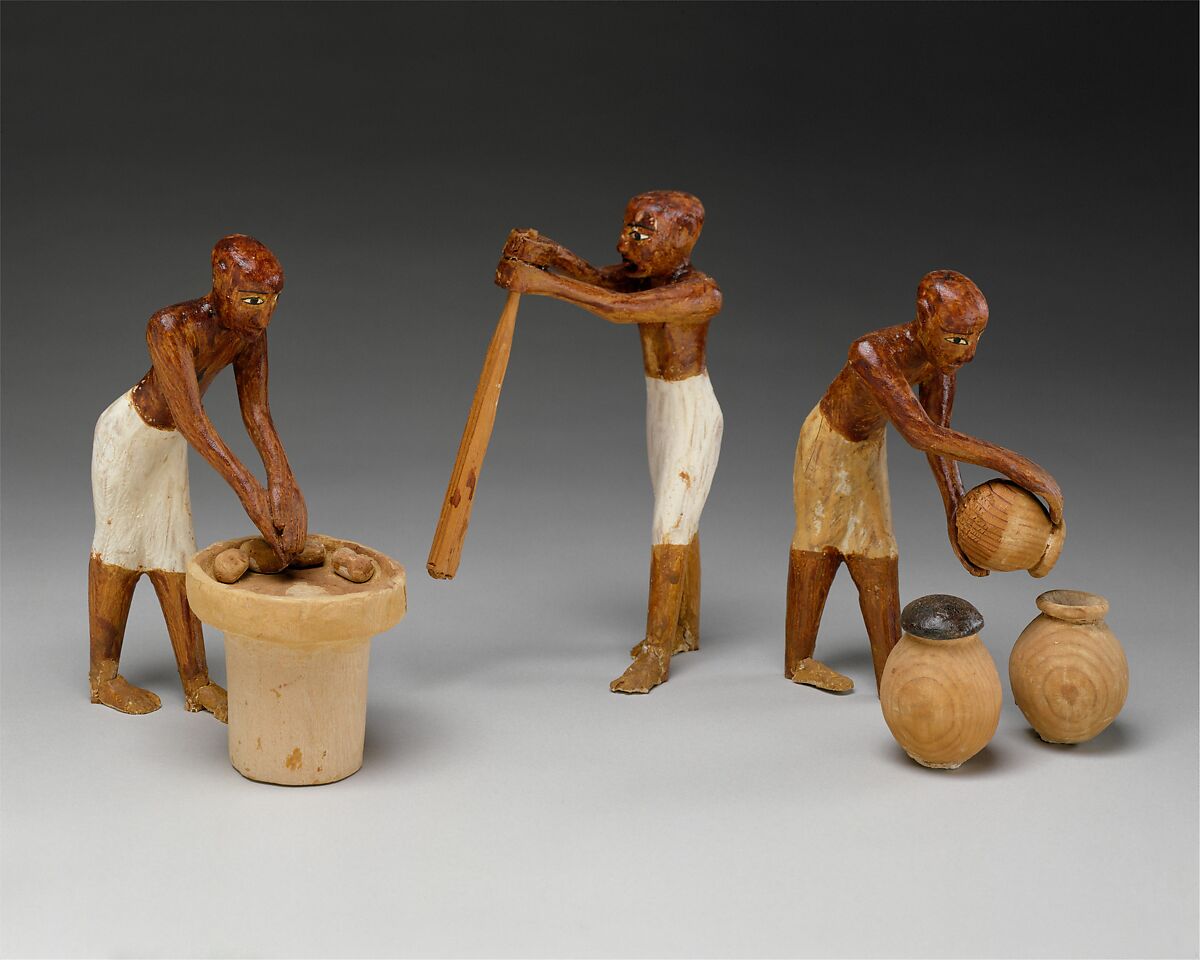
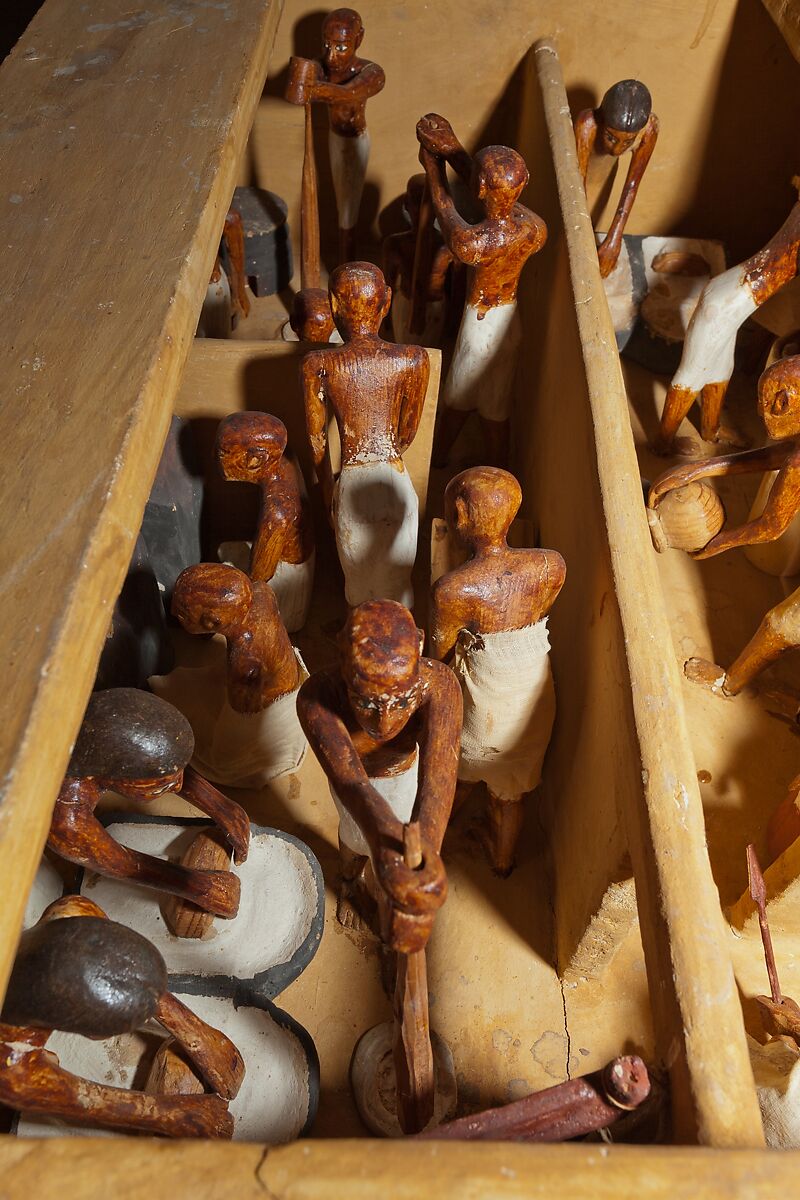
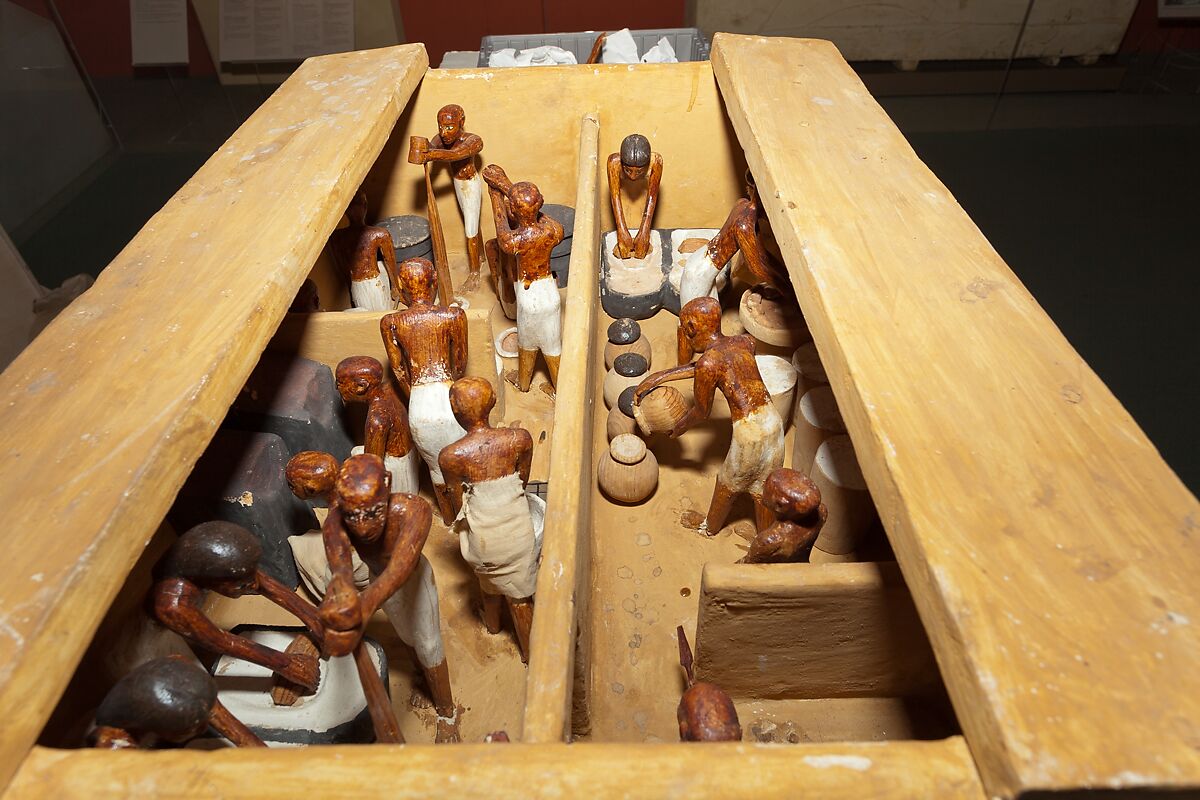
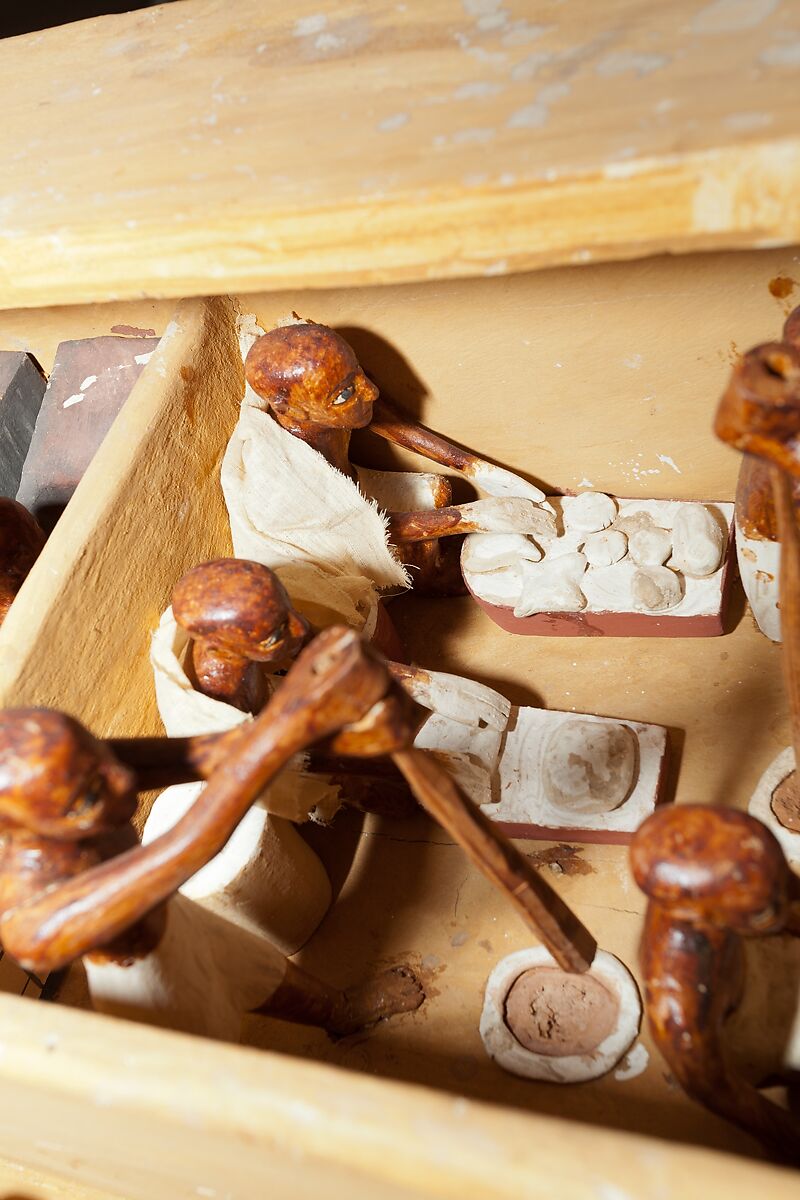
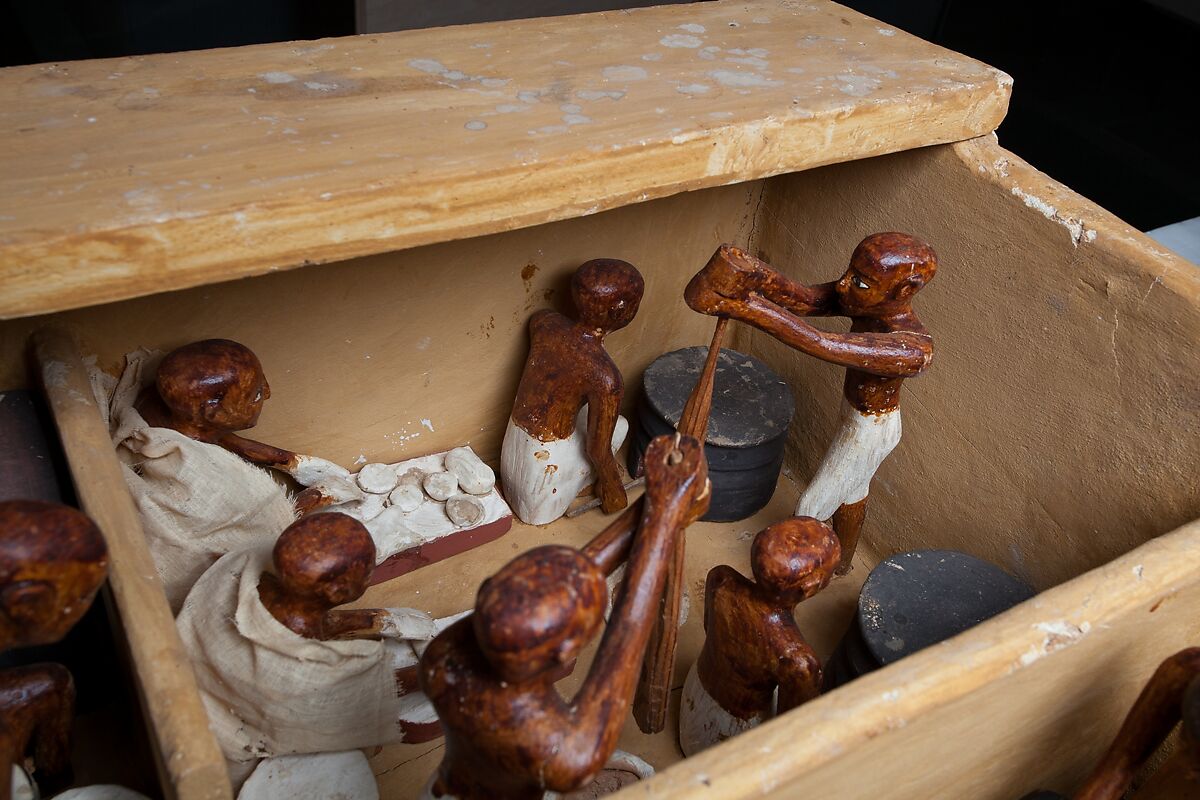
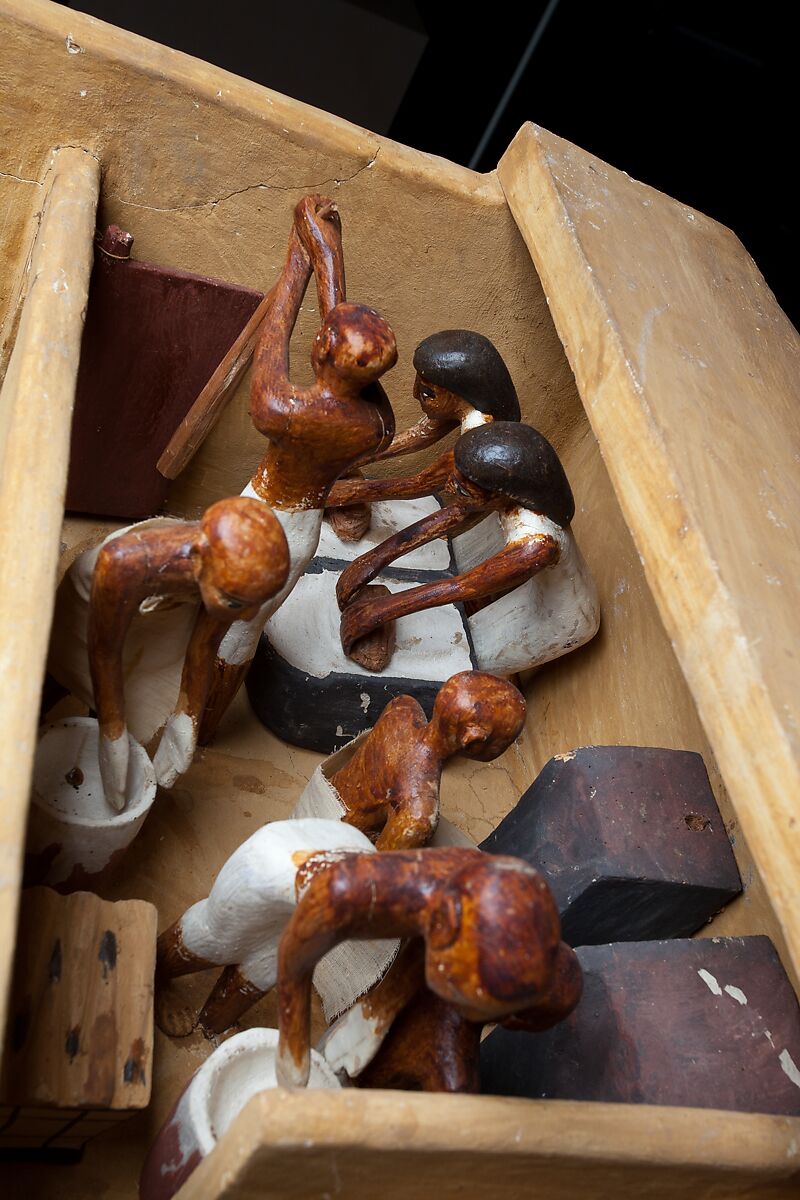
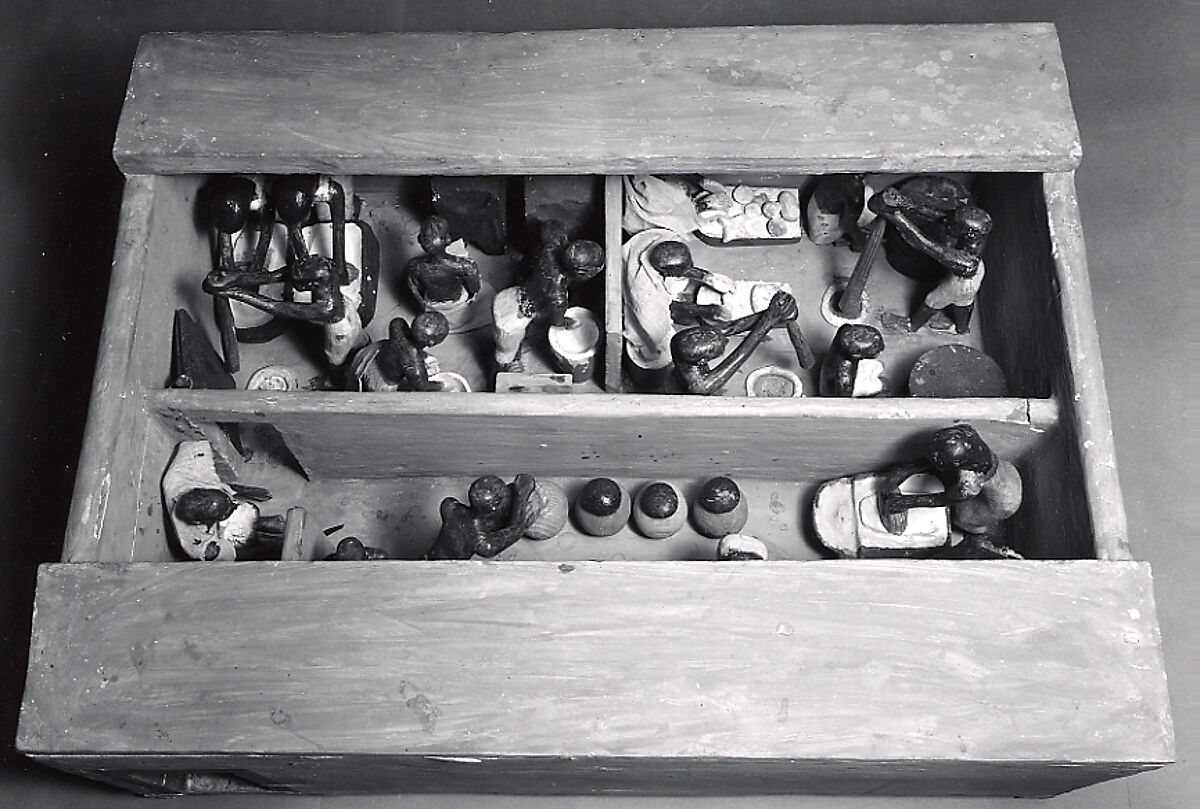
Bakery and Brewery Model
Depicts the feeding of cows, complete with a figure of a cow collapsing from overeating—a humorous and human touch. This model vividly captures the two most essential elements of the ancient Egyptian diet: bread and beer. Laborers are shown grinding grain, kneading dough, shaping loaves, and pouring liquids into large pottery jars for fermentation. The scene provides not only a look at daily production processes but also insight into the organizational structure and division of labor in Middle Kingdom households.
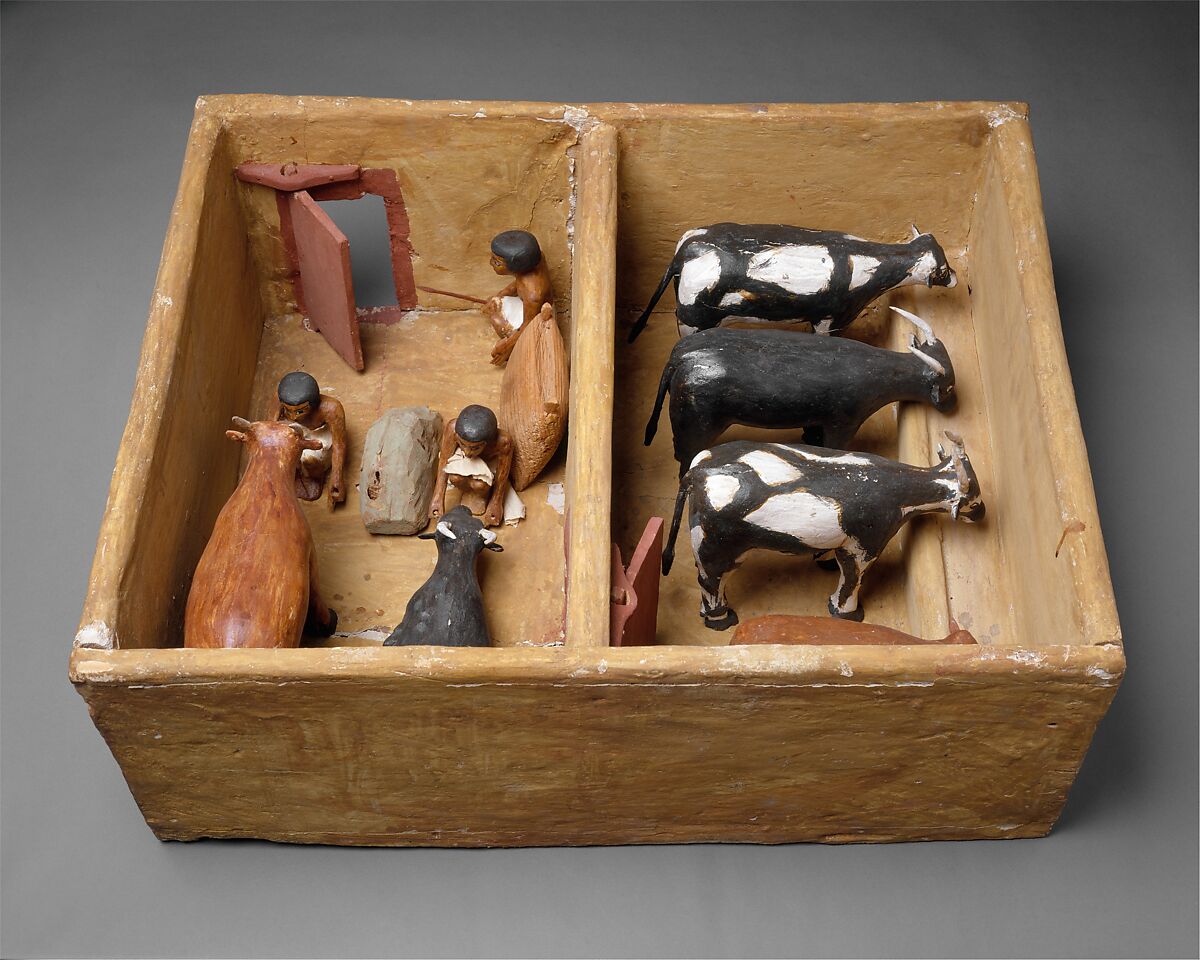
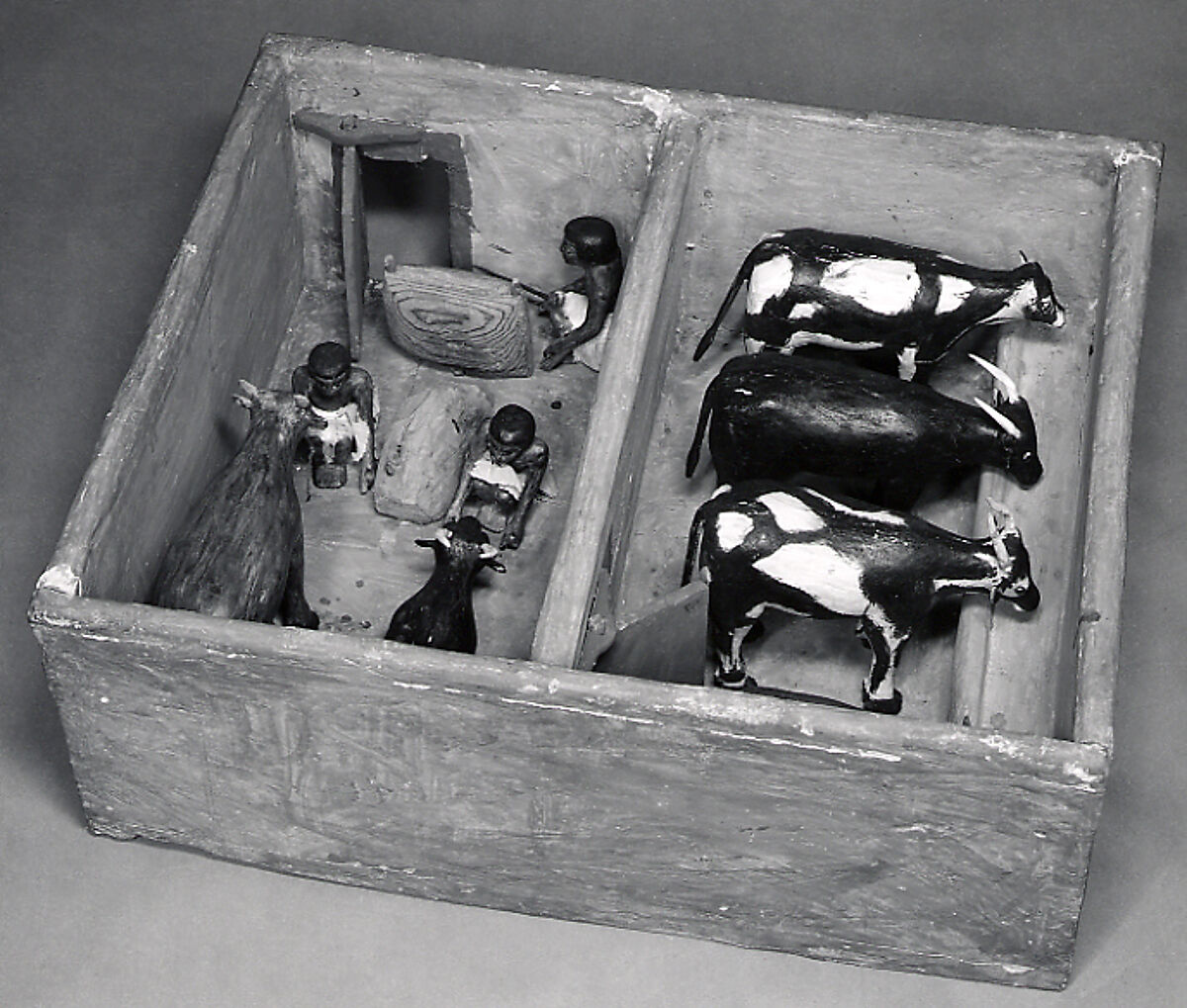
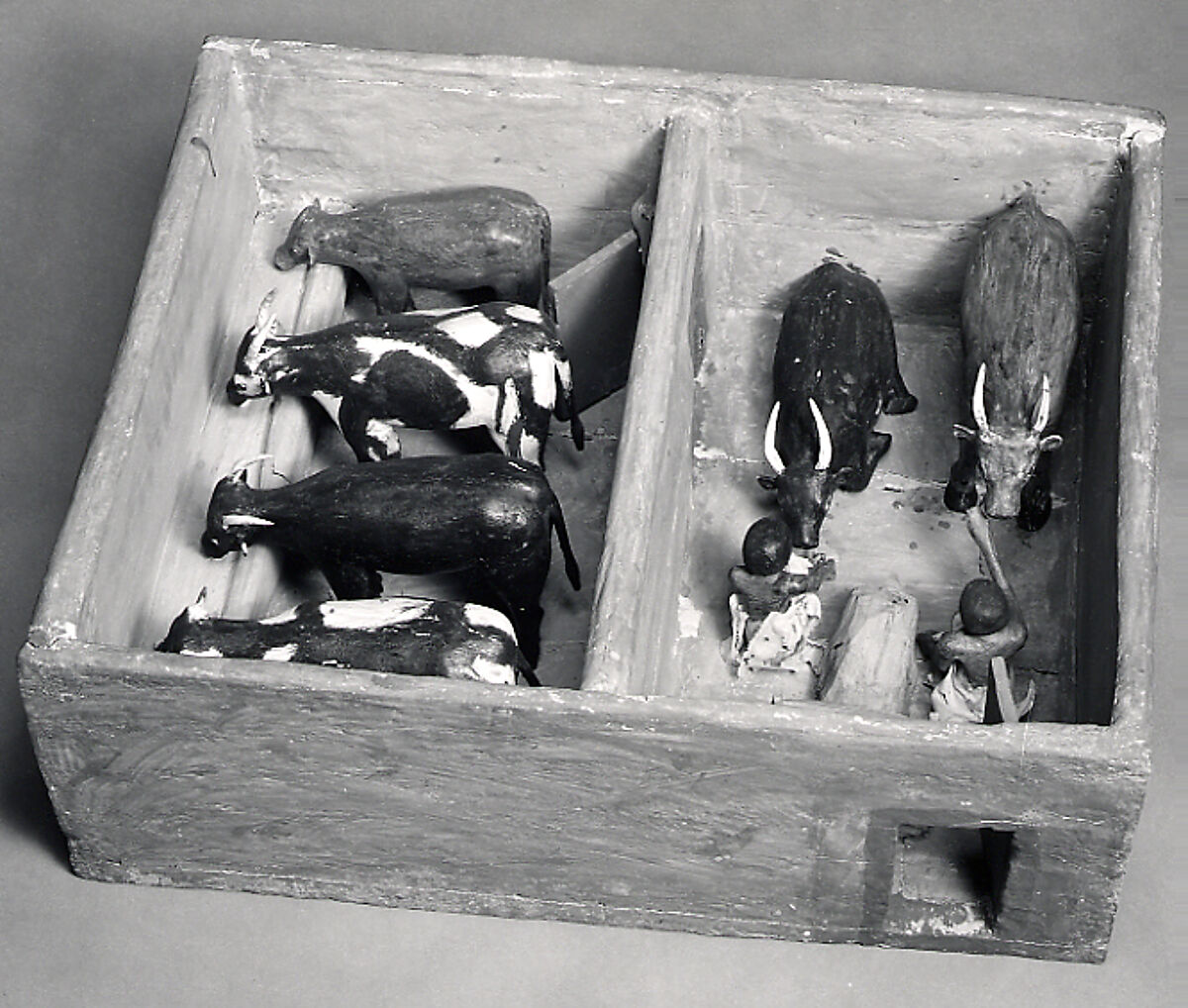
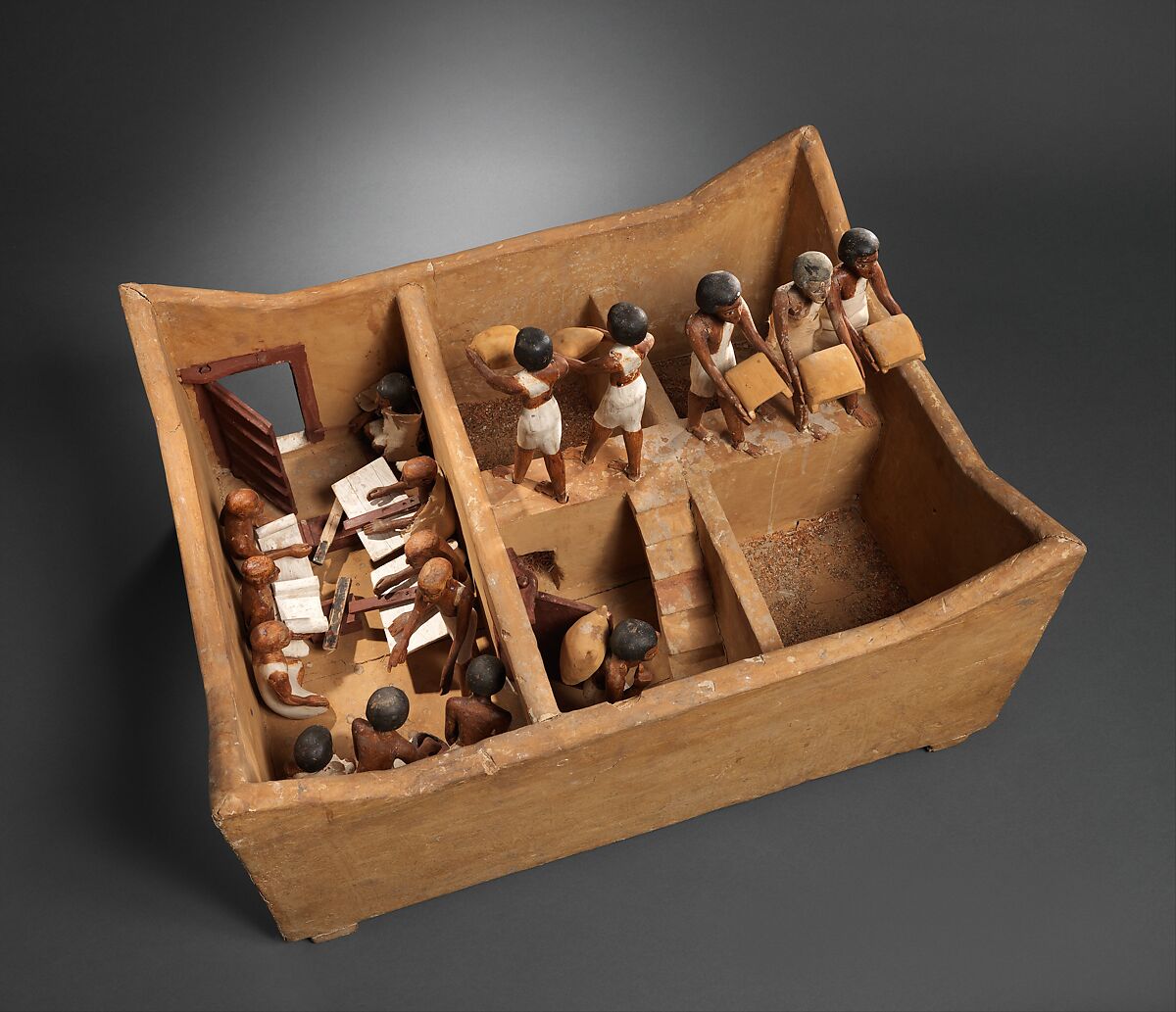
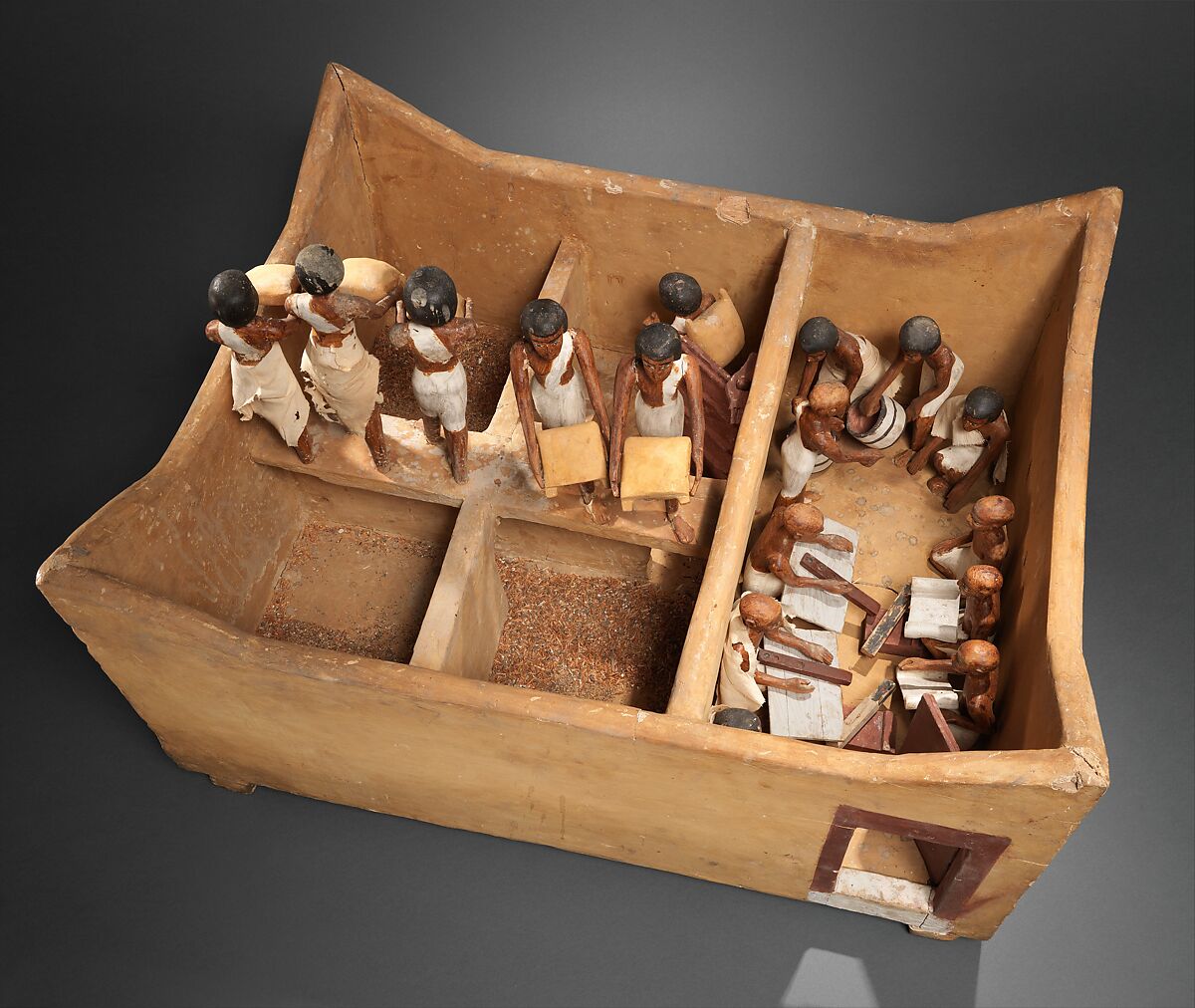
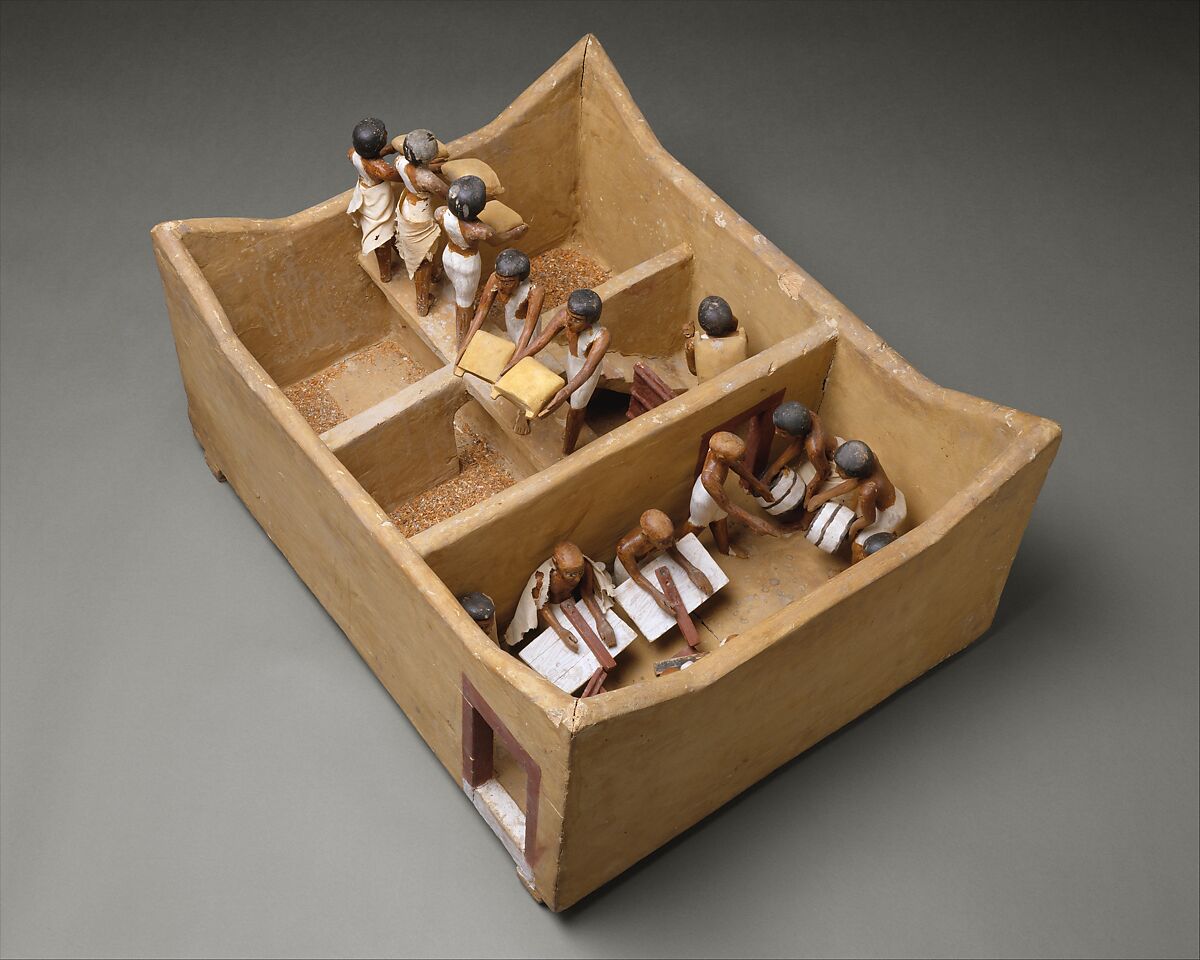
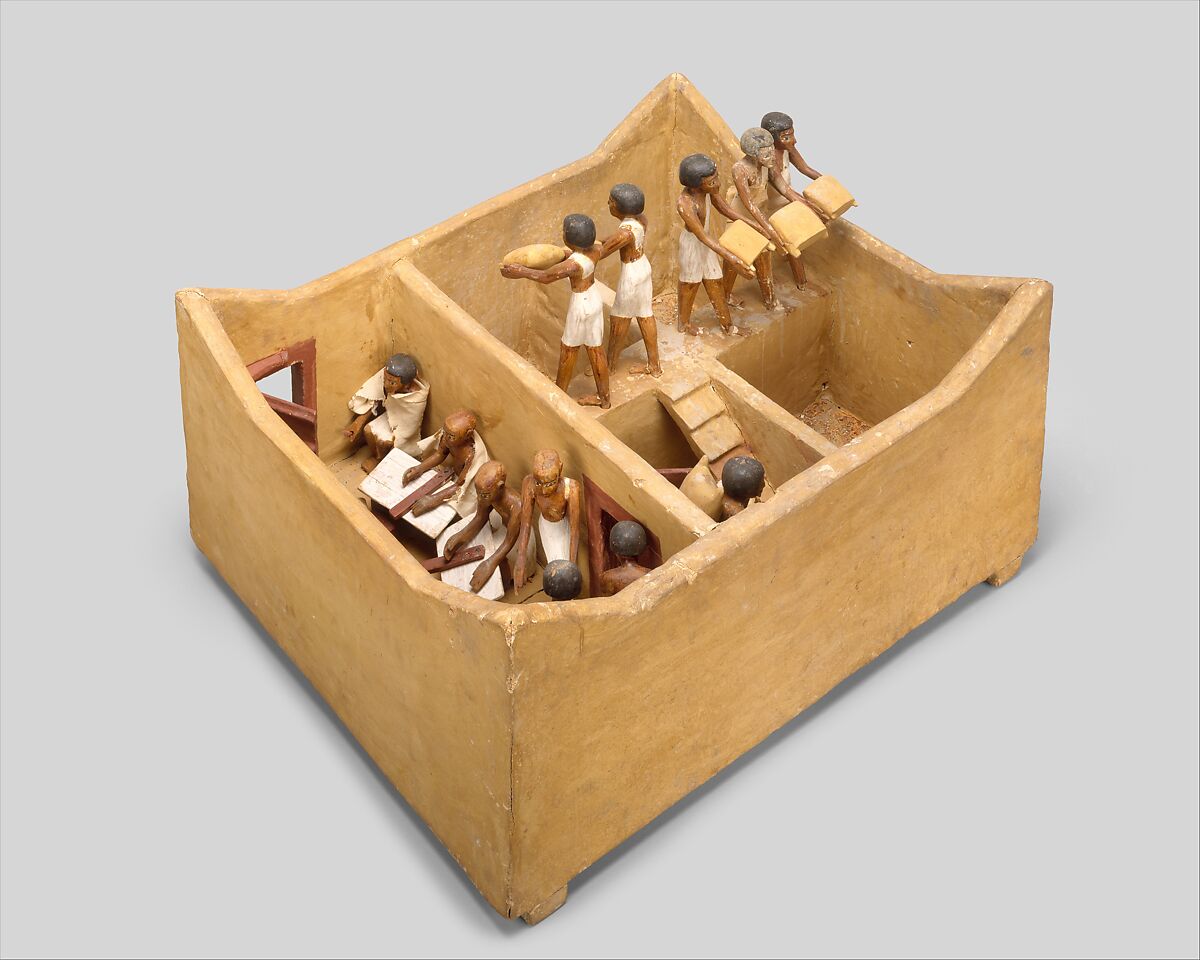
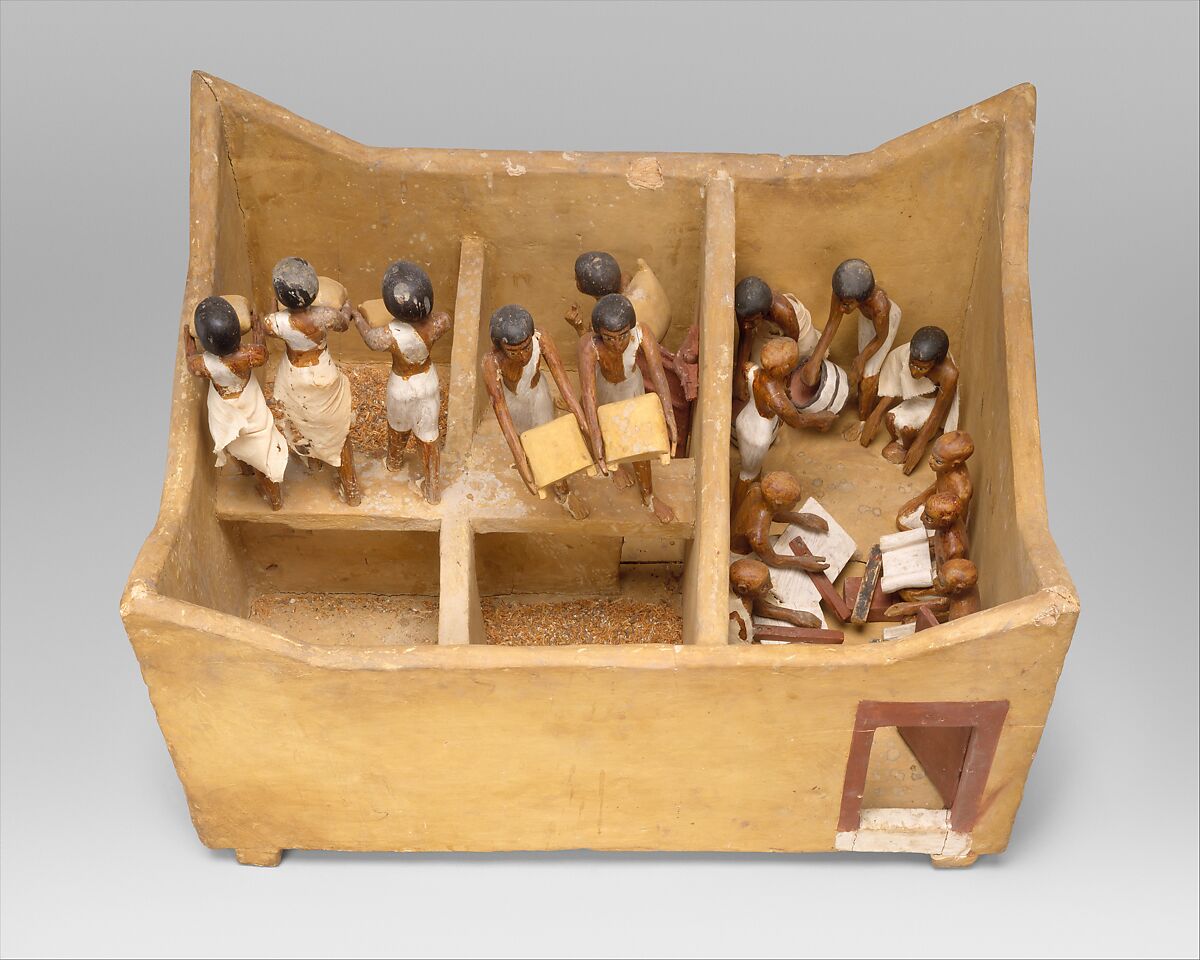
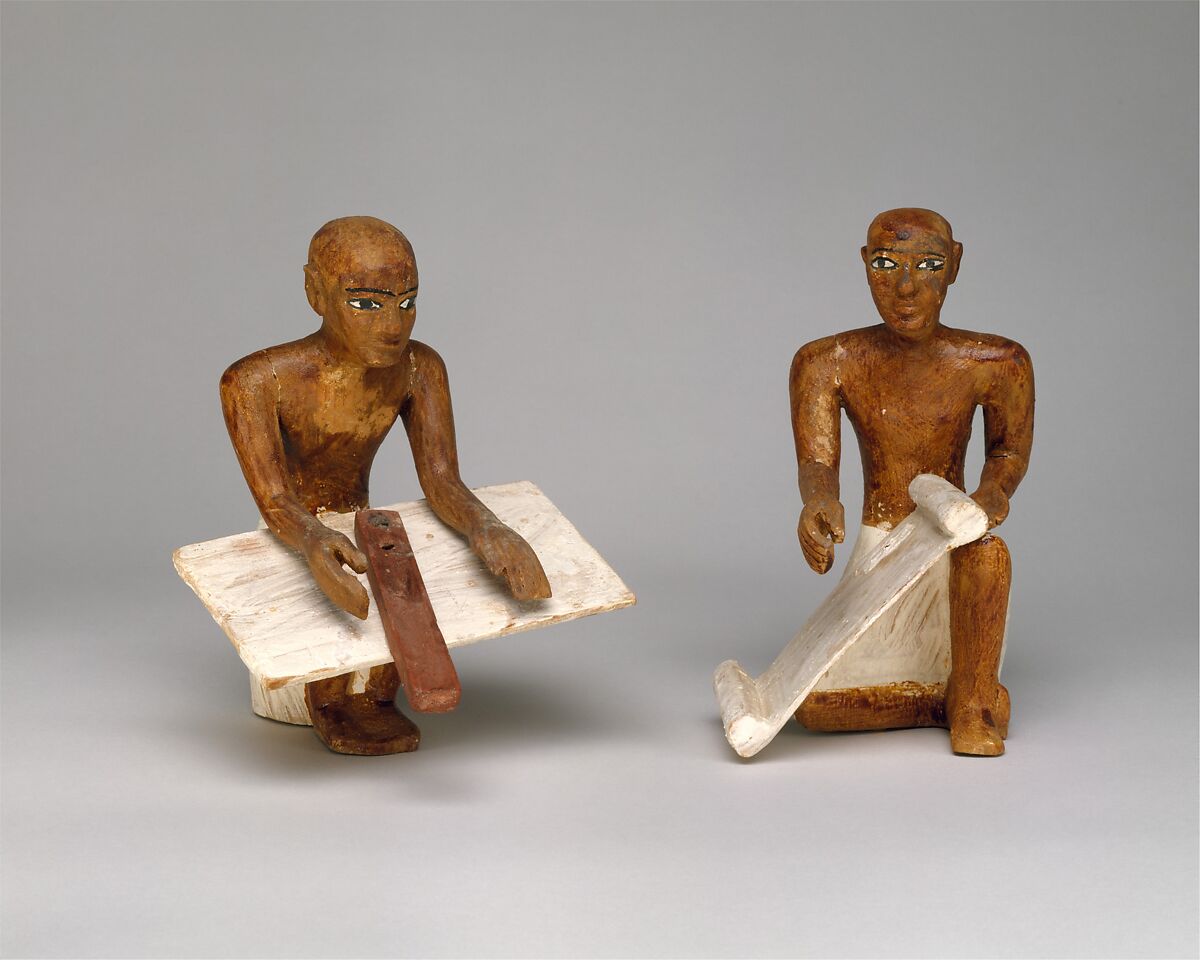
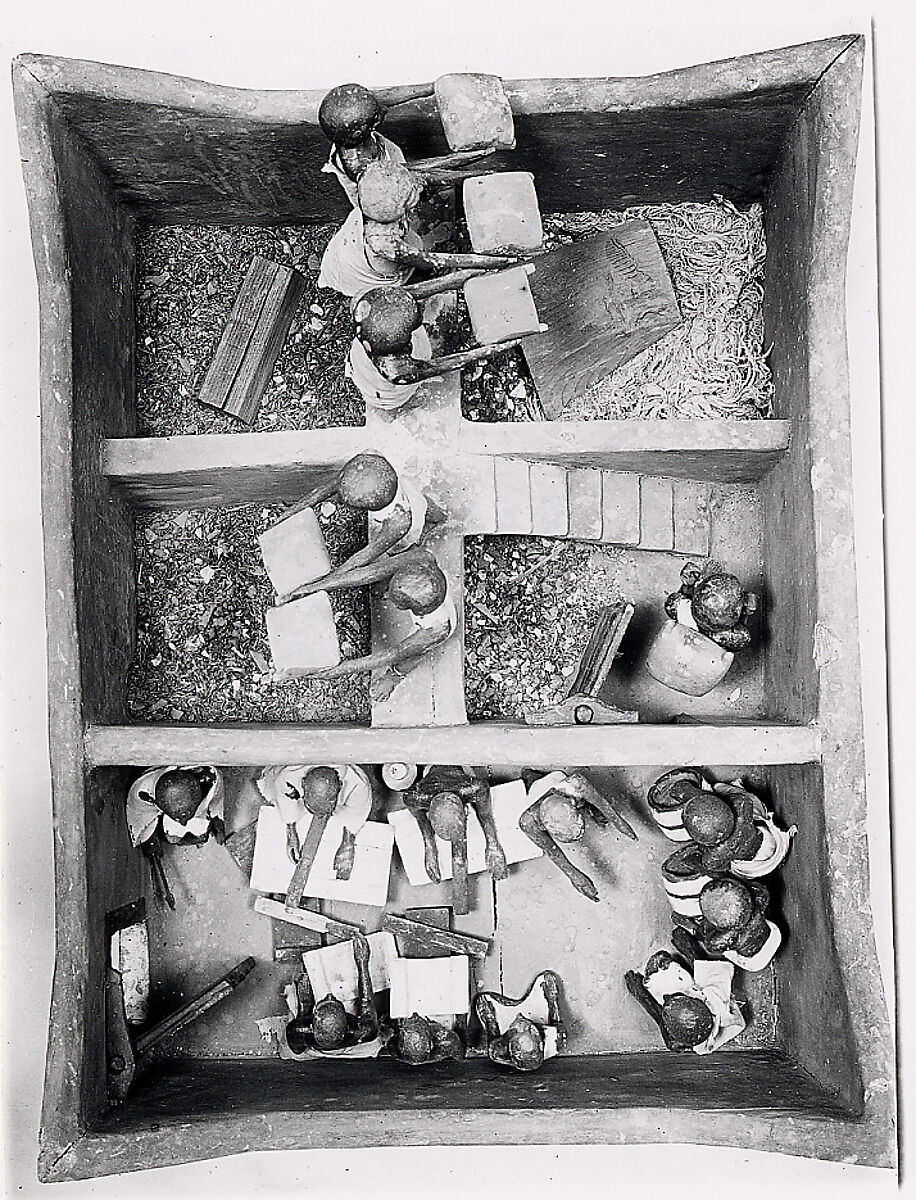
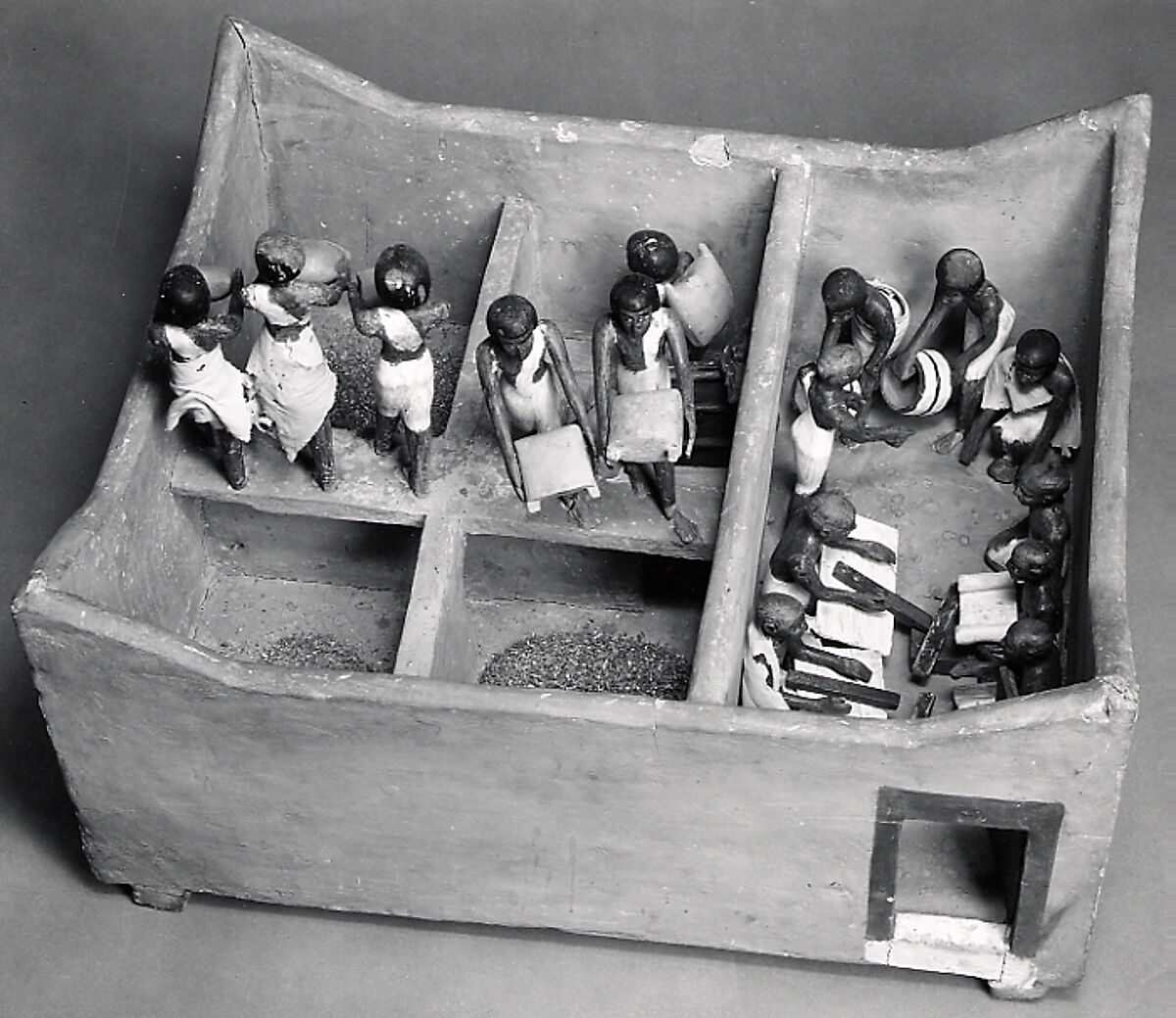
Granary and Scribes Model
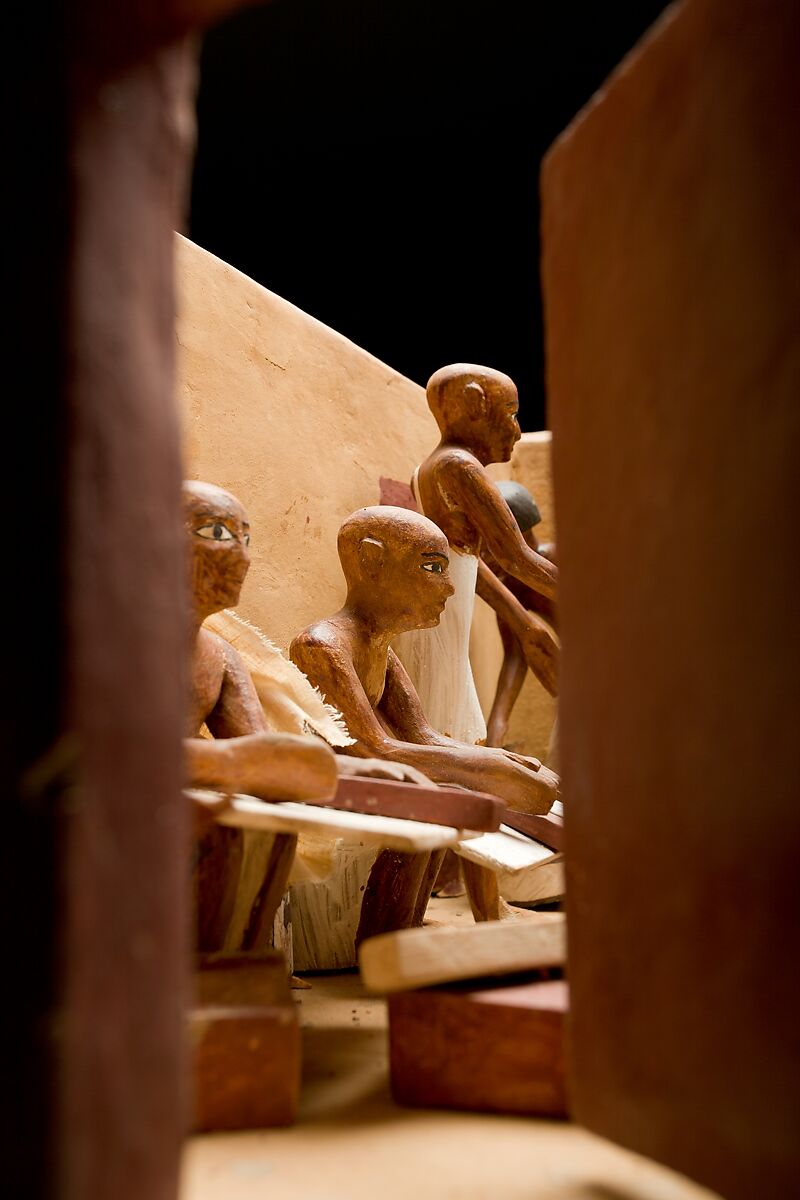
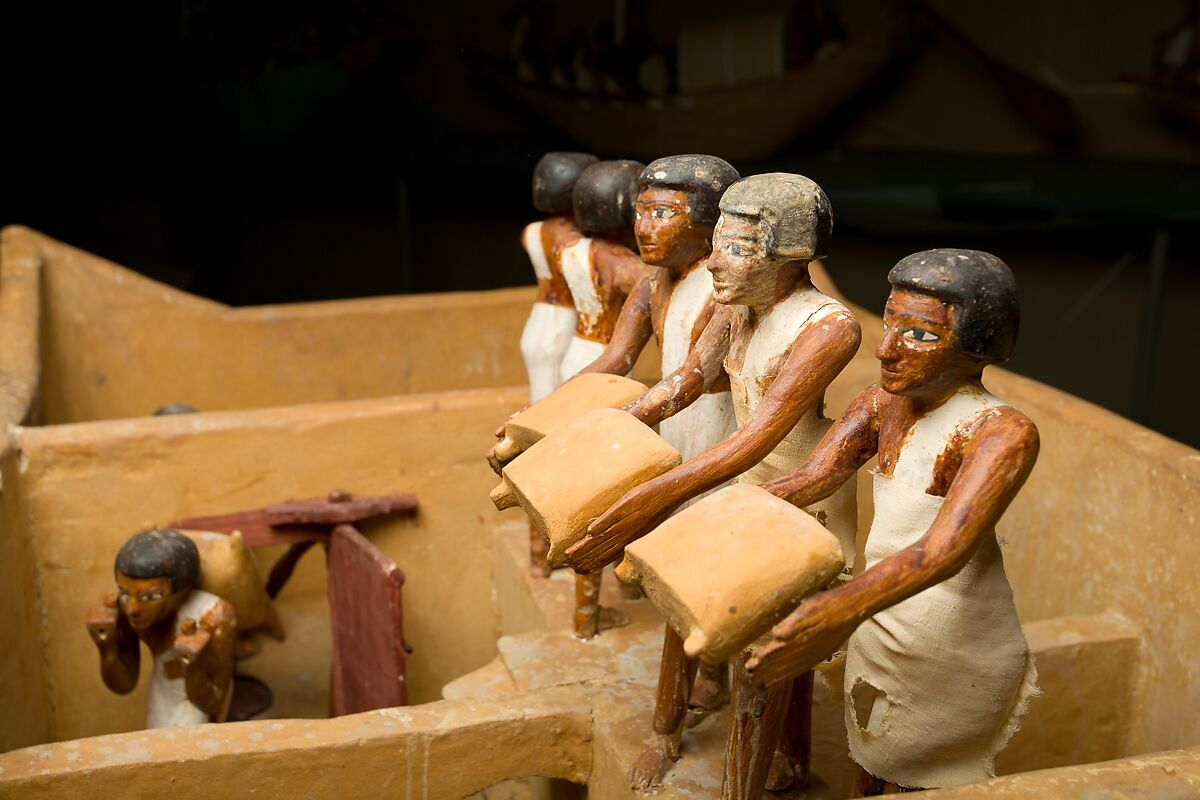
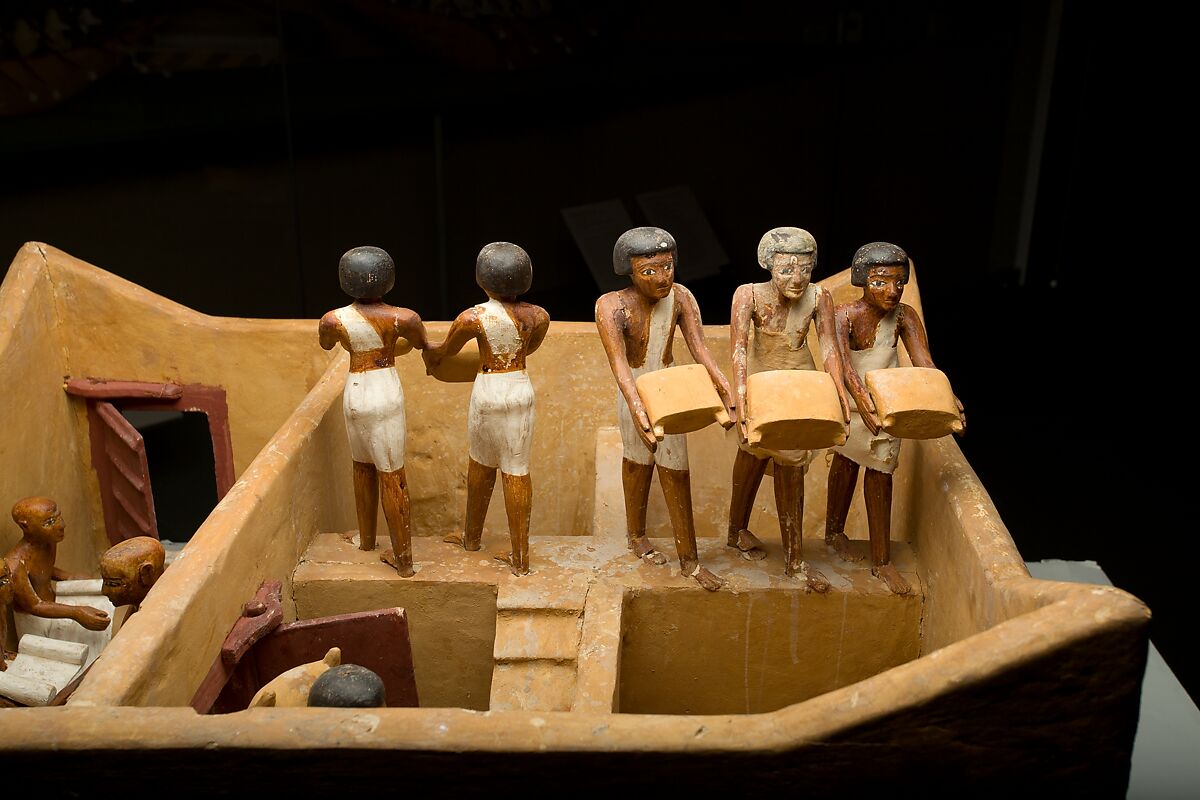
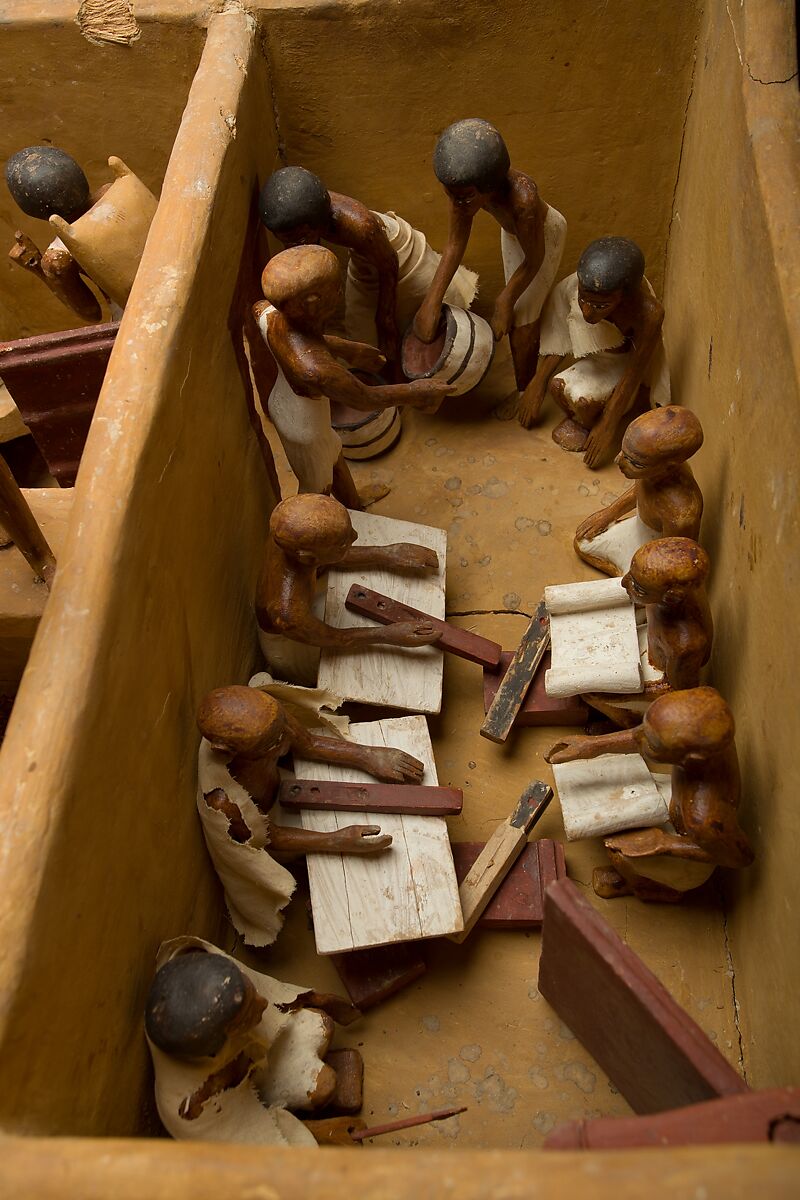
Features workers transporting grain and scribes documenting inventory—a miniature bureaucracy in action. This model presents a detailed view of the grain economy in ancient Egypt, where workers are shown carrying sacks of grain to be stored in silos. At the entrance, scribes sit cross-legged with papyrus scrolls, meticulously recording the quantity received—a clear depiction of early bureaucratic systems. The scene reflects not only agricultural wealth but also the value placed on documentation, order, and accountability in Middle Kingdom society.
Final Thoughts
Meketre’s models are more than just tomb offerings—they are a bridge between worlds, preserving the culture, labor, and aesthetics of ancient Egypt. These miniatures allow us to experience history through the eyes of those who lived it, and bring a powerful emotional connection to a civilization that continues to inspire us today.